This Week in AI Innovations: Breakthroughs in Voice Tech
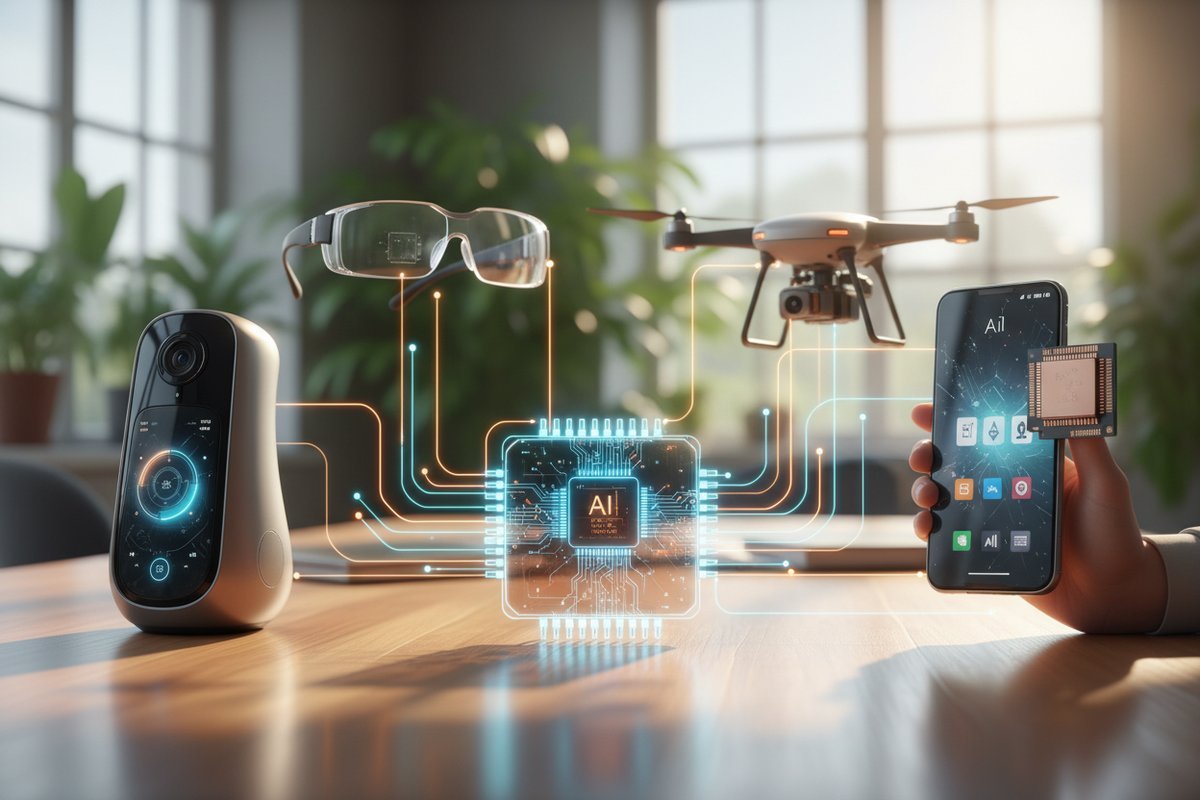
Recent developments in AI-powered voice tech emphasize enhanced accuracy in voice identification and advanced speech-to-text solutions. Innovations include multilingual and dialect recognition, improved on-device voice processing, and new smart headphones designed to isolate conversation noise. Meanwhile, Google is preparing to launch its first AI smart glasses in 2026, aiming to mainstream smart eyewear through strategic partnerships.

Expanding Horizons in Voice Recognition
The voice recognition market continues to accelerate rapidly, with projections estimating a rise from $14.02 billion in 2025 to nearly $30 billion by 2029. This growth is fueled by increasing reliance on voice-controlled devices, cloud-based services, and emphasis on security authentication through voice biometrics.
Companies are heavily investing in natural language understanding and AI-powered speech-to-text technologies that support a wide array of languages and dialects. Enhanced multilingual recognition capabilities are enabling more inclusive and accessible voice interfaces globally. The push towards robust on-device processing addresses privacy concerns and delivers faster, more reliable responses without cloud dependency.
According to The Business Research Company, major players such as Amazon, Apple, Google, and Microsoft are setting the pace with innovations that optimize hardware and software integration, especially for wearables, automotive systems, and healthcare applications.
AI-Powered Smart Headphones: Revolutionizing Hearing Experiences
This week also saw the debut of new AI-powered headphones designed to isolate conversation noise from ambient sounds, significantly enhancing speech clarity. These headphones employ advanced machine learning algorithms to filter background noise in real time, providing a critical assistive technology solution for individuals with hearing challenges.
Unlike traditional noise-cancelling headphones, these devices focus on conversational audio, allowing users to engage more naturally in crowded or noisy environments. This innovation represents a leap forward in wearable voice technology, combining comfort with intelligent sound processing.
On-Device Voice Processing Gains Momentum
On-device voice processing is becoming a focal point in voice tech innovation. By handling speech recognition and command processing locally, devices reduce latency and enhance data privacy. Sensory Inc.’s TrulyHandsfree 7.0 software exemplifies this trend, operating with ultra-low power consumption and minimal memory usage while maintaining high accuracy.
Such solutions are pivotal for embedded systems in wearables, IoT devices, automotive infotainment, and healthcare equipment, enabling continuous listening capabilities without relying on cloud connectivity. This advancement not only improves user experience but also aligns with growing privacy regulations worldwide.
Google’s Smart Glasses Set to Launch in 2026
Google announced plans to introduce its first AI-powered smart glasses in 2026, marking a significant step toward mainstream smart eyewear. Collaborating with Samsung and luxury brand Gentle Monster, Google aims to combine advanced AI voice interfaces with stylish design and practical functionality.
These smart glasses will likely integrate voice recognition and natural language processing, allowing hands-free operation and seamless interaction with digital environments. This development is poised to transform wearable tech, blending convenience with aesthetic appeal.
Implications and Future Outlook
The breakthroughs in voice technology this week underline a clear trajectory towards more intelligent, accessible, and privacy-conscious AI voice systems. Enhanced multilingual recognition, on-device processing, and specialized smart audio hardware are transforming how users interact with their devices across sectors including healthcare, automotive, and consumer electronics.
With Google’s upcoming smart glasses launch, the convergence of AI voice tech and wearable fashion signals a new era of integrated smart lifestyles. Industry watchers should anticipate accelerated adoption of voice-driven interfaces and further innovation in noise isolation and speech clarity technologies.
As voice recognition technologies continue evolving, companies and consumers alike will benefit from smarter, more natural, and secure voice interactions shaping the future of digital communication.