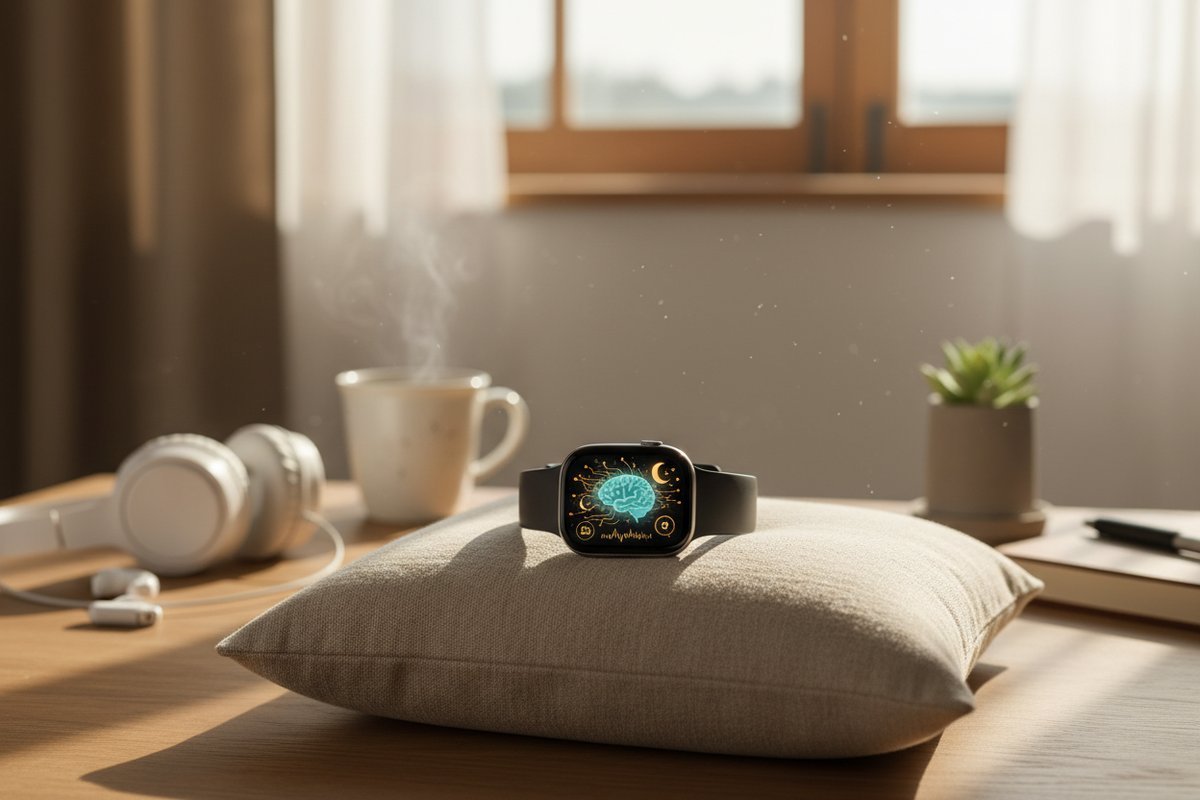
This Week in AI Lifestyle: New Smart Wearable Features
From hands-free photo capturing to enhanced biometric monitoring, recent advances in AI-driven wearables are elevating user experiences and lifestyle integration. Notable launches by Meta, Huawei, and Samsung underscore a growing trend toward smarter, more personalized devices that seamlessly blend technology with fashion and health.
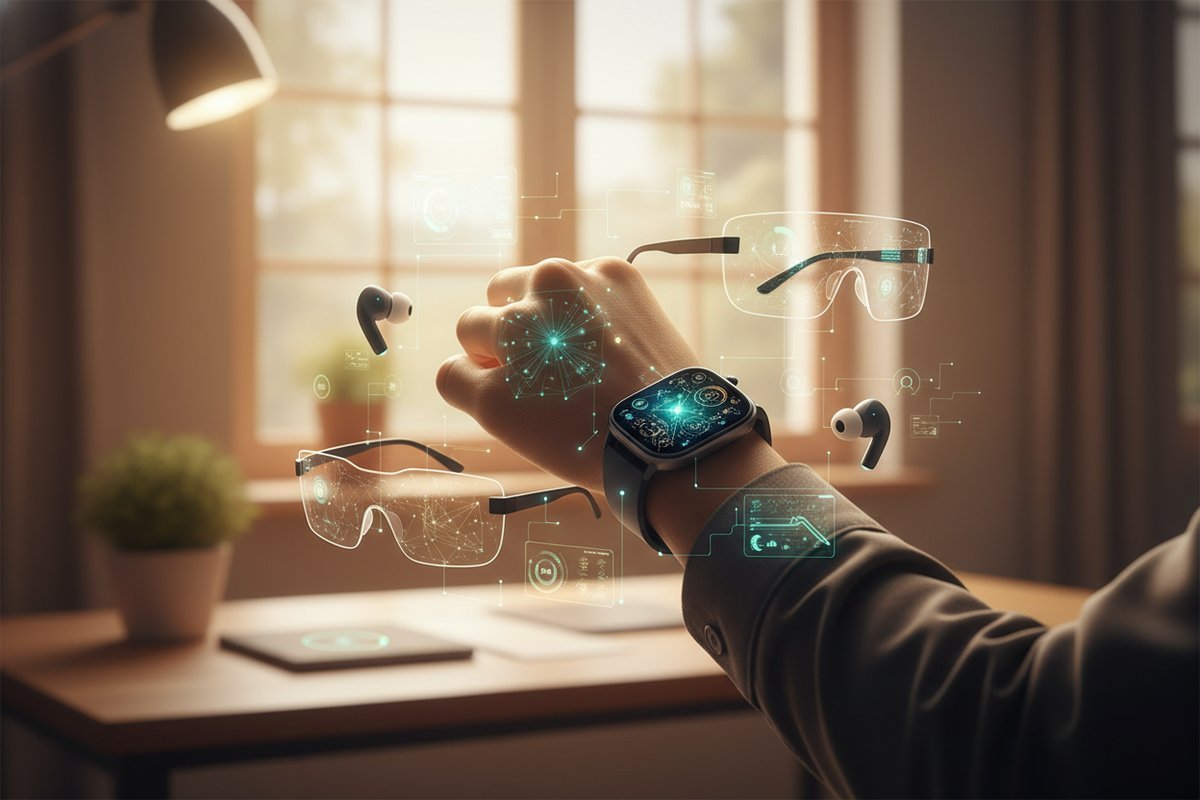
Meta’s Ray-Ban Display Glasses: A New Era of Hands-Free Interaction
This year, Meta launched the latest iteration of its Ray-Ban Display glasses, featuring an integrated waveguide display that projects contextual information directly into the wearer’s field of view. These glasses enable effortless photo and video capturing with simple gestures, eliminating the need to reach for a smartphone. The device also supports AI-powered queries related to the environment or objects in view, offering a hands-free digital assistant experience.
Meta’s innovation extends to a companion neural band bracelet that allows users to navigate the interface through finger gestures, though early feedback suggests that the control system is still refining its usability. Despite some design critiques, the glasses mark a significant step toward mainstream adoption of wearable AI interfaces that prioritize convenience and real-time data access.
Modem’s Dream Recorder: AI Meets Morning Reflection
In an intriguing fusion of AI and lifestyle, Modem introduced the Dream Recorder, a wearable device designed to help users capture and interpret their dreams. By generating short videos that represent dream themes and imagery, the device encourages a unique morning ritual centered around self-reflection and mental wellness.
This innovation taps into ambient computing trends, providing a novel way to engage with subconscious experiences through AI-generated visualizations. The Dream Recorder exemplifies how AI wearables are moving beyond fitness and productivity to enrich emotional and psychological wellbeing.
Huawei’s Fashion-Forward AI Wearables
Huawei continues to blur the line between technology and style with its latest AI-enhanced wearables. Their new lineup integrates advanced sensors for health monitoring—such as heart rate, SpO2, and sleep analysis—while emphasizing elegant design suitable for everyday wear.
By partnering with fashion designers and leveraging AI to personalize health insights, Huawei’s devices appeal to consumers seeking both aesthetics and functionality. Their wearables also demonstrate improved battery life and seamless smartphone integration, reinforcing the brand’s position in the competitive smart lifestyle segment.
Samsung Galaxy Watch 7: Precision AI Heart Monitoring
Samsung has enhanced its Galaxy Watch 7 with AI algorithms that filter out motion artifacts to deliver more accurate heart rate tracking, particularly during intense workouts. This improvement addresses a common challenge in wearable health monitoring, where physical activity can skew sensor readings.
The AI-driven noise reduction ensures users receive reliable biometric data in real time, supporting better fitness tracking and medical-grade health insights. Samsung’s commitment to combining hardware innovation with AI refinement highlights the growing importance of intelligent data processing in wearables.
The Growing Role of AI in Wearable Experience and Privacy
As AI capabilities expand within wearables, user experience is becoming more contextual and personalized. Devices now aim to anticipate needs by analyzing diverse data streams—from biometric signals to environmental context—while improving privacy through on-device AI processing.
Leading companies are focusing on minimizing cloud dependency to secure sensitive information and reduce latency. This shift not only enhances responsiveness but also addresses growing consumer concerns about data privacy, signaling a maturing phase in AI wearable development.
Looking Ahead: What to Watch in 2026
With major players like Meta, Huawei, and Samsung driving innovation, the smart wearable market is poised for rapid growth. Upcoming releases promise enhanced AI assistants, improved health analytics, and more fashionable designs that cater to diverse lifestyles.
Additionally, startups exploring unconventional applications—such as dream visualization and ambient computing—will continue to push boundaries, expanding the role of AI in everyday life. Consumers and developers alike should watch for advancements in seamless integration, privacy safeguards, and intuitive controls that will define the next wave of smart lifestyle wearables.