How to Automate Your Home with AI Devices
This guide walks you through the essential steps to integrate AI technology into your home automation setup. From selecting smart devices to configuring AI-driven systems, learn how to create a smarter, more responsive environment that adapts to your lifestyle and improves comfort, security, and energy efficiency.
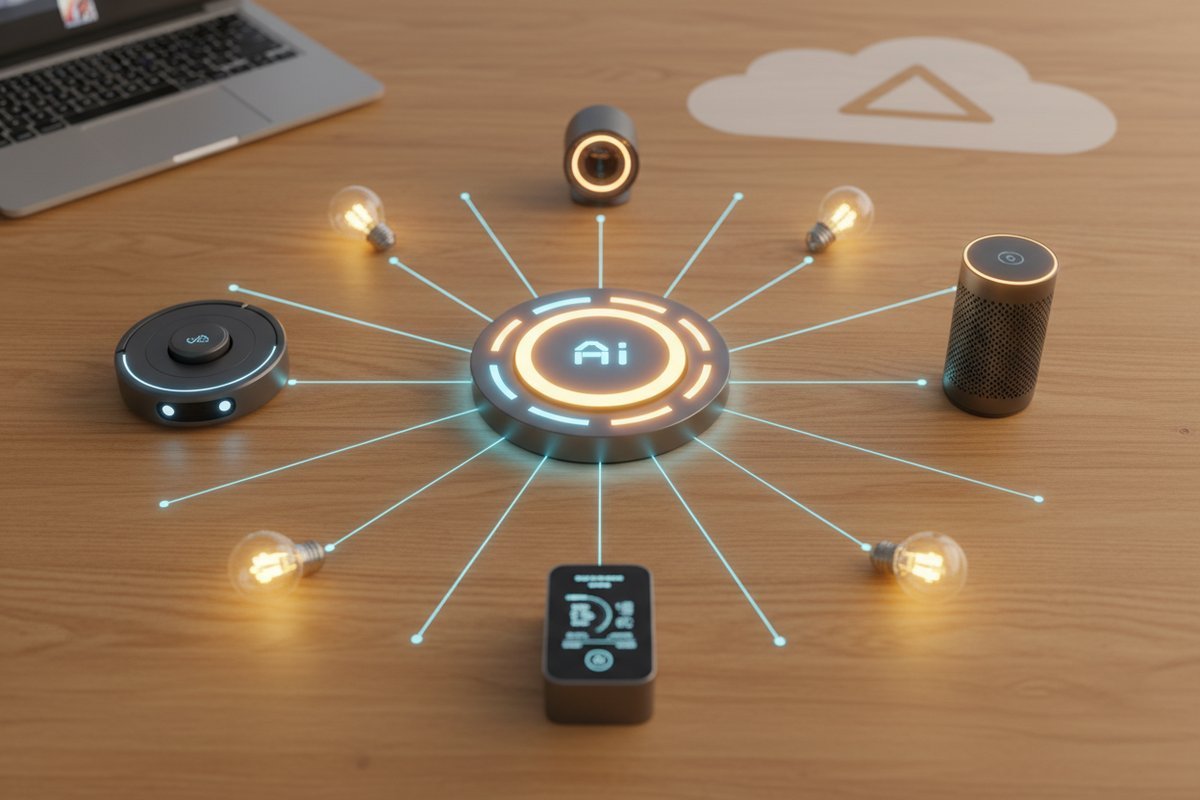
Understanding AI-Powered Home Automation
Automating your home with artificial intelligence (AI) goes beyond traditional smart home setups that rely on fixed rules. Modern AI-enabled devices leverage machine learning, natural language processing, and computer vision to create a living environment that learns your habits, anticipates your needs, and responds proactively.
The foundation of AI home automation is the integration of Internet of Things (IoT) devices with AI algorithms. While IoT devices serve as sensors and actuators—detecting motion, temperature, or voice commands—AI processes this data to make intelligent decisions without requiring manual rules for every scenario.
Step 1: Choose the Right AI-Enabled Devices
Start your automation journey by selecting devices that incorporate AI capabilities to maximize smart functionality:
- Smart Thermostats: Devices like Google Nest and Ecobee learn your daily routines and environmental preferences, optimizing heating and cooling schedules automatically to save energy and enhance comfort.
- Voice Assistants: Platforms such as Amazon Alexa, Google Assistant, and Apple Siri enable natural language control of your smart devices, managing lighting, security, entertainment, and more through conversational commands.
- AI Security Cameras: Brands like Arlo and Ring offer computer vision-powered cameras that distinguish between people, pets, and objects, reducing false alerts and enhancing home security.
- Robotic Vacuums: Devices such as iRobot Roomba use AI mapping and navigation to clean efficiently while adapting to your home’s layout.
Step 2: Integrate Devices Using a Central Hub or Platform
To unlock the full potential of AI automation, connect your smart devices through a central control system or platform. This setup allows seamless communication between devices and more advanced automation scenarios.
Consider platforms like:
- Samsung SmartThings – A versatile hub that supports a wide range of devices and AI integrations.
- Home Assistant – An open-source platform favored by tech enthusiasts for deep customization and AI automation.
- Apple HomeKit – Ideal for users invested in the Apple ecosystem, supporting Siri and AI-driven automations.
These hubs enable you to create AI-powered routines such as adjusting lighting and temperature based on occupancy detected by motion sensors, or scheduling security modes when the system learns your daily patterns.
Step 3: Configure AI-Driven Automation and Personalization
Once devices are connected, set up AI-powered automation tailored to your lifestyle. Many smart devices come with companion apps that use machine learning to analyze your habits and suggest automation routines.
Examples of AI-driven automation include:
- Adaptive Climate Control: Your smart thermostat adjusts temperature dynamically based on your presence, weather forecasts, and energy rates.
- Personalized Lighting: AI-enabled lighting systems learn when and how you like lights adjusted, automatically dimming or brightening rooms as you move through them.
- Security Alerts: AI security cameras notify you only when unexpected activity is detected, differentiating between family members, neighbors, or strangers.
- Voice Interaction: Use natural language commands to control multiple devices simultaneously or create complex routines, making your home truly conversational.
Step 4: Enhance Automation with AI Analytics and Predictive Maintenance
AI not only automates but also monitors device performance and energy consumption. Many smart home systems provide analytics dashboards that track your usage patterns and suggest optimizations.
Predictive maintenance alerts notify you of potential issues before they become serious, such as HVAC filter replacements or battery levels in sensors, ensuring reliability and reducing downtime.
Tips and Best Practices for Successful AI Home Automation
- Start Small and Expand: Begin with a few key AI devices like a smart thermostat and voice assistant, then gradually add more devices to build a cohesive ecosystem.
- Prioritize Privacy and Security: Choose devices and platforms with strong encryption and regular updates. Use secure Wi-Fi networks and enable two-factor authentication where possible.
- Regularly Update Firmware: Keep your devices’ software updated to benefit from the latest AI improvements and security patches.
- Leverage Official Support and Resources: Utilize manufacturer tutorials and communities for setup tips and troubleshooting.
- Customize AI Settings: Tailor AI learning features and privacy settings to suit your comfort level and preferences.
Common Mistakes to Avoid When Automating Your Home with AI
- Overloading with Devices Too Quickly: Adding too many devices at once can complicate setup and overwhelm your network.
- Ignoring Compatibility: Ensure that new devices are compatible with your existing hub or voice assistant to avoid fragmentation.
- Neglecting Privacy Settings: Some AI devices collect data continuously; review and adjust privacy controls to protect your information.
- Failing to Monitor Energy Impact: While smart systems save energy, improper configuration can lead to inefficiencies.
- Relying Solely on AI Without Manual Overrides: Maintain manual controls for critical systems to avoid inconvenience in case of AI errors or connectivity issues.
Conclusion: Taking the Next Steps Toward a Smarter Home
Automating your home with AI devices offers a pathway to enhanced comfort, energy savings, and security through intelligent, adaptive technology. By carefully selecting AI-enabled devices, integrating them into a central platform, and customizing automation routines, you can transform your living space into a proactive and personalized environment.
Stay informed about advancements from leading innovators like Google Nest, Ecobee, Amazon Alexa, and Google Assistant to keep your smart home ecosystem evolving with the latest AI capabilities. With thoughtful planning and ongoing management, your AI-powered home will continue to grow smarter, more efficient, and more responsive, paving the way for a truly intelligent future.