How to Harness AI for a Smarter Tomorrow
As AI evolves rapidly, its integration into everyday life promises to create smarter homes, workplaces, and cities. This article explores how embracing AI innovations can enhance efficiency, sustainability, and well-being, shaping a brighter future for all.
Understanding AI’s Role in Everyday Life
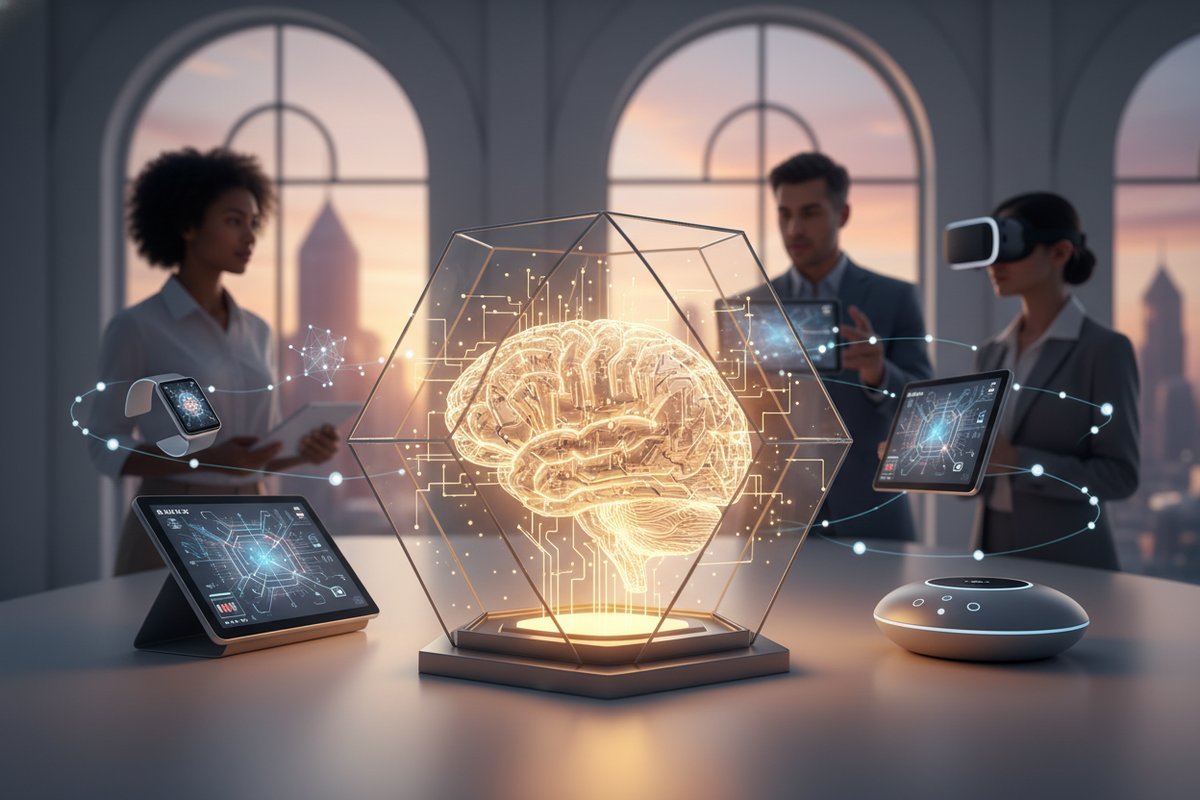
Artificial intelligence is no longer a futuristic concept but a present reality quietly embedded in numerous facets of daily life. From the smart assistants managing our homes to AI-powered recommendations tailoring our entertainment, AI enhances convenience and personalization. According to ADI Tech Support, AI simplifies tasks such as adjusting home temperatures or curating music playlists, allowing individuals to reclaim time and reduce stress.
Smart Home Innovations: Efficiency and Comfort
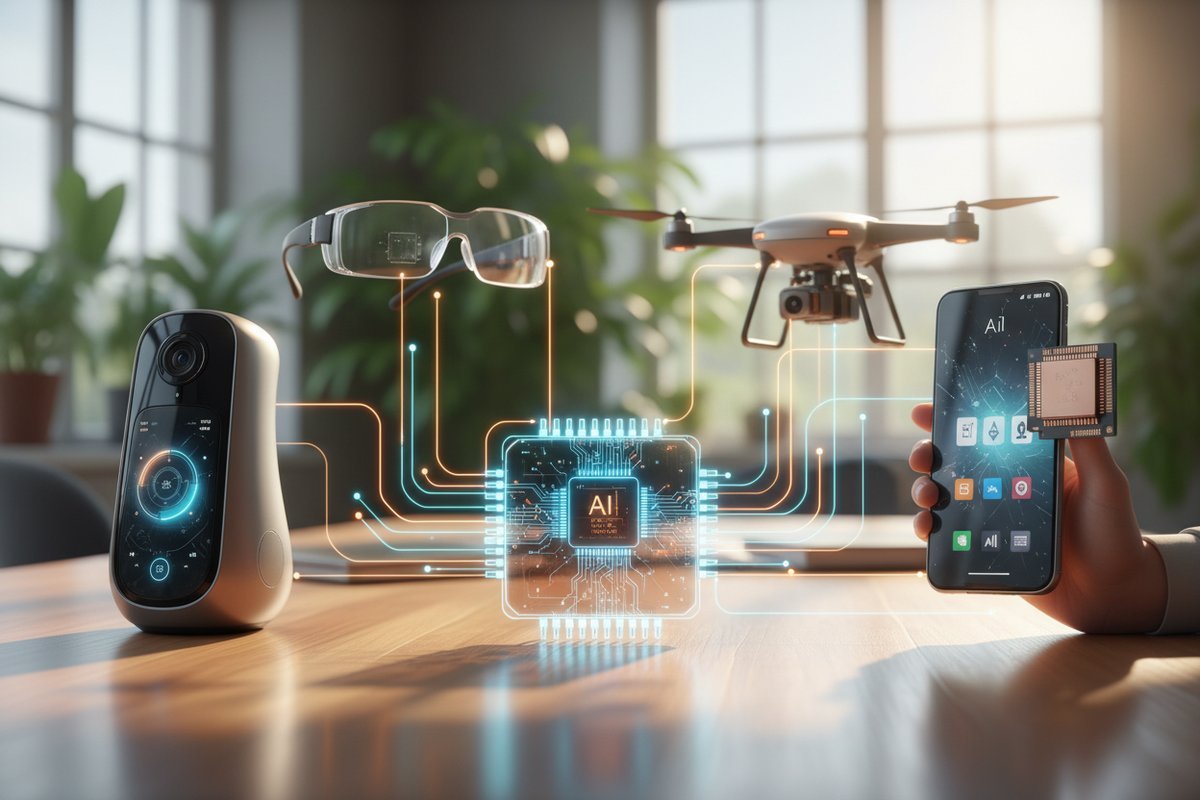
The smart home revolution is a prime example of AI making life easier and greener. Devices like AI-enabled thermostats learn user preferences to optimize energy consumption, balancing comfort with sustainability. Security systems powered by AI analyze behavioral patterns to detect unusual activity, enhancing safety without intrusive monitoring.
- Smart assistants respond to voice commands, managing lighting, appliances, and schedules.
- Energy-efficient automation reduces wastage and lowers bills.
- AI-enabled cameras and sensors provide real-time alerts to homeowners.
By integrating these technologies, households not only boost convenience but also contribute to environmental conservation. This aligns with industry predictions that AI-driven optimization will significantly reduce resource wastage in the coming years as noted by experts.
Transforming Industries: AI for Sustainability and Productivity
Beyond homes, AI is revolutionizing industries by optimizing operations and minimizing waste. For instance, in energy production, AI algorithms analyze massive datasets to improve power generation efficiency and distribution. This reduces costs and environmental impact.
Fabrice Fischer, CEO of Blu Ltd, highlights how AI finds and refines optimal patterns, slashing wastage across sectors like manufacturing, transportation, and agriculture. AI-driven automation in crop production maximizes yields under controlled conditions, addressing food security challenges as the global population grows.
- Predictive maintenance reduces equipment downtime and extends machinery lifespan.
- AI-enabled supply chain management minimizes inventory excess and shortages.
- Industrial Internet of Things (IIoT) improves machine-to-machine communication for seamless operations.
Such advancements foster a safer, more efficient industrial ecosystem that supports sustainable development goals.
Enhancing Health and Well-Being with AI
The healthcare sector benefits immensely from AI innovations that empower individuals to monitor and improve their health proactively. Wearables and AI-powered apps track vital signs, sleep quality, and activity levels, offering personalized insights to promote healthier lifestyles.
AI also accelerates medical data analysis, aiding early diagnosis and treatment personalization. Continuous support from virtual health assistants helps users stay engaged with their well-being goals.
- Real-time alerts encourage timely medical consultations.
- Customized recommendations optimize fitness and nutrition plans.
- AI-driven diagnostics improve accuracy and speed of detection.
As these tools become more accessible, they democratize healthcare and encourage preventive care, leading to better outcomes worldwide.
AI in Education: Personalized and Accessible Learning
Education is undergoing a transformation as AI enables personalized learning paths tailored to individual student needs. Adaptive platforms analyze performance data to identify strengths and weaknesses, adjusting curricula accordingly.
Virtual tutors and AI chatbots provide round-the-clock assistance, making learning more flexible and inclusive. This technology supports continuous education beyond traditional classrooms, fostering lifelong learning.
- Adaptive content delivery meets diverse learning paces.
- Instant feedback and support enhance comprehension.
- AI tools facilitate skill development relevant to future job markets.
Such innovations prepare learners for a rapidly evolving world, equipping them with the skills necessary to thrive.
Transportation and Mobility: Smarter Travel Solutions
AI is reshaping transportation through smarter navigation, ride-sharing optimization, and the development of autonomous vehicles. Real-time traffic management reduces congestion and travel times, while AI algorithms match passengers and drivers efficiently in ride-hailing services.
Though fully autonomous vehicles are still emerging, their potential to enhance safety and reduce accidents is promising. These advances contribute to more sustainable urban mobility systems.
- GPS combined with AI offers dynamic routing to avoid delays.
- AI predicts maintenance needs, improving vehicle reliability.
- Autonomous technology aims to reduce human error on roads.
Collectively, these innovations support smarter, cleaner transportation infrastructures for future cities.
Embracing AI: Steps Toward a Smarter Tomorrow
To fully harness AI’s potential, individuals and organizations must embrace change with agility and openness. As Fabrice Fischer warns, failing to adapt quickly and invest boldly in innovation risks being left behind.
- Stay informed about AI advancements relevant to your life or business.
- Adopt AI tools thoughtfully, balancing automation with human creativity.
- Invest in AI education and skill-building to maximize benefits.
- Prioritize ethical AI use to ensure fairness and transparency.
By proactively integrating AI into daily routines and strategic planning, we unlock new opportunities for efficiency, sustainability, and enhanced quality of life.
Conclusion: The Future is AI-Enabled
Artificial intelligence stands as a transformative force, quietly yet profoundly shaping a smarter tomorrow. Its applications across homes, industries, health, education, and transportation demonstrate AI’s capacity to optimize resources, personalize experiences, and solve complex challenges.
Embracing AI innovations with a thoughtful, ethical approach will empower humanity to focus on creativity, meaningful work, and sustainable living. The future is not distant—it is already unfolding, inviting us to harness AI for a better, smarter world.