How to Use AI for a Smarter Lifestyle
Artificial intelligence is no longer a futuristic concept; it’s embedded in our everyday lives, quietly optimizing routines and expanding possibilities. This article explores practical ways to use AI to create a smarter lifestyle, covering productivity, health, creativity, and more. Discover how to integrate AI-driven tools and innovations to enhance your daily experience and prepare for the evolving tech landscape.
Understanding AI’s Role in Daily Life
Artificial intelligence (AI) is revolutionizing how we interact with technology and manage daily tasks. It leverages machine learning, natural language processing, and predictive analytics to make our environments more intuitive and responsive. AI-powered devices and applications are no longer confined to specialized industries; they have become accessible to individuals seeking smarter solutions for everyday challenges.
By automating routine processes and providing personalized insights, AI helps people save time, reduce stress, and focus on what matters most. Whether it’s setting reminders, managing finances, or enhancing communication, AI tools are designed to integrate seamlessly into daily habits, making life easier and more enjoyable.
Streamlining Productivity with AI Assistants
One of the most immediate benefits of AI is in task management and productivity enhancement. Virtual assistants like Google Assistant, Apple’s Siri, and Microsoft Cortana use natural language processing to understand commands and preferences, helping users organize schedules, set reminders, and automate repetitive tasks.
- Smart Calendars: AI can analyze your calendar events to suggest optimal meeting times, remind you of deadlines, and even predict scheduling conflicts.
- Email Management: AI algorithms prioritize important emails, filter spam, and offer quick reply suggestions, reducing inbox overload.
- Task Automation: Tools like Zapier use AI to connect apps and automate workflows, from data entry to notifications.
These features not only save time but also reduce cognitive load, allowing you to focus on strategic or creative work. Morgan State University highlights how AI’s integration into daily routines fosters smoother, smarter experiences.
Personalized Experiences Through AI Recommendations
AI excels at analyzing user behavior to tailor content, products, and services to individual preferences. Streaming platforms like Netflix and Spotify use AI to recommend media based on your past choices, while e-commerce sites suggest products aligned with your tastes and needs.
Moreover, health and fitness apps utilize AI to personalize workout plans and nutritional advice by analyzing your activity data and goals. This continuous learning process refines recommendations over time, ensuring they remain relevant and beneficial.
- Entertainment: AI curates movies, music, and books that match your unique interests.
- Shopping: Personalized product suggestions streamline purchasing decisions.
- Health & Fitness: Customized workout and diet plans optimize your wellness journey.
Adopting AI-driven recommendations can transform how you discover new content and products, making daily choices more intuitive and enjoyable. Learn more about these innovations in practical AI applications that enhance life.
Revolutionizing Healthcare with AI Technologies
The healthcare sector has witnessed remarkable AI advancements that empower individuals to take proactive control of their health and well-being. Wearable devices equipped with AI monitor vital signs such as heart rate, sleep quality, and activity levels, providing real-time insights and early warning signs of potential issues.
Telemedicine platforms use AI for symptom analysis and remote consultations, breaking geographical barriers and increasing healthcare accessibility. AI-driven predictive analytics also assist in diagnosing diseases earlier and personalizing treatment plans.
- Wearable Health Trackers: Devices like Fitbit and Apple Watch analyze biometric data to track fitness and detect anomalies.
- Telehealth Services: AI-powered chatbots and virtual doctors facilitate immediate medical advice.
- Chronic Disease Management: AI helps monitor conditions like diabetes and hypertension through continuous data analysis.
Such innovations not only enhance convenience but also promote healthier lifestyles by empowering users with actionable health data. For a deeper understanding, see how AI is revolutionizing daily healthcare.
Enhancing Communication and Social Interaction
Communication is integral to human connection, and AI is making significant strides in improving how we exchange information. AI tools can filter and prioritize messages, translate languages instantly, and even generate content to aid effective communication.
- Email & Messaging: AI sorts inboxes, highlights urgent messages, and suggests context-aware replies.
- Language Translation: Real-time translation apps like Google Translate break down language barriers, facilitating global interaction.
- Chatbots & Virtual Agents: Many businesses deploy AI-driven chatbots to provide instant customer support and streamline inquiries.
These technologies make communication more efficient and inclusive, helping individuals connect effortlessly across cultures and time zones. Explore the evolving role of AI in communication through resources like JetLearn’s insights on AI.
Fueling Creativity with AI Collaboration
AI is breaking new ground as a creative partner, assisting in artistic and intellectual pursuits. From photo editing to music composition, AI tools analyze inputs and generate suggestions that align with user preferences, offering fresh perspectives and inspiration.
- Visual Arts: AI-powered apps enhance images, suggest filters, and even create original artwork.
- Music & Writing: AI composers generate melodies; writing assistants help with grammar, style, and idea generation.
- Design & Innovation: AI assists in prototyping and brainstorming, accelerating creative workflows.
By collaborating with AI, creators can push boundaries and explore novel concepts, making creativity more accessible and rewarding. For more on AI’s impact on innovation, see practical AI tools for creativity.
Smart Homes and the Future of Living
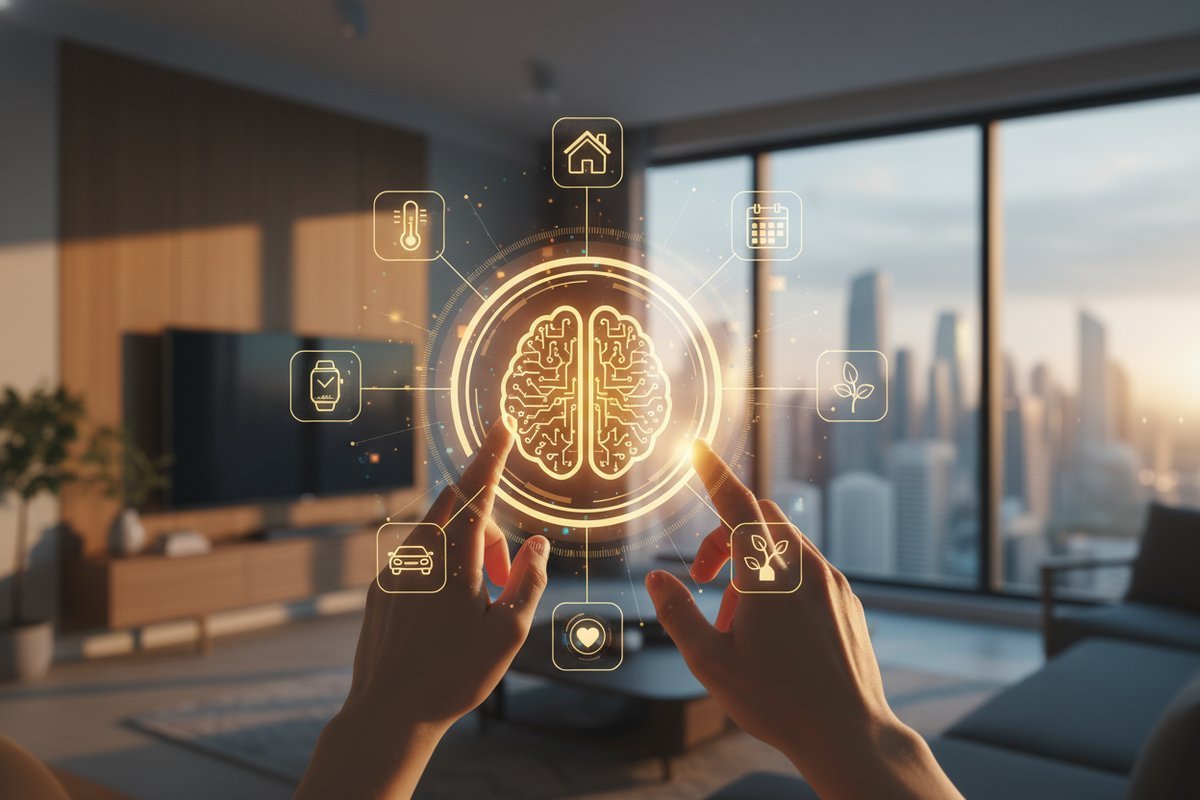
The concept of a smart home powered by AI is rapidly becoming mainstream. AI-driven systems automate lighting, climate control, security, and even grocery management, adapting to your habits and preferences.
- Energy Efficiency: AI optimizes heating and cooling schedules, reducing utility bills.
- Security: AI-enabled cameras and sensors detect unusual activity and alert homeowners instantly.
- Convenience: Voice-activated assistants control appliances, play media, and answer queries.
As autonomous technologies like self-driving vehicles and AI in public infrastructure continue to evolve, the vision of a fully integrated smart lifestyle is closer than ever. Stay updated on trends by reading about top AI trends to watch in 2026.
Conclusion: Embracing AI Responsibly for a Smarter Tomorrow
Integrating AI into your daily life opens doors to unprecedented convenience, personalization, and efficiency. By leveraging AI for productivity, health, communication, and creativity, you can build a smarter lifestyle that adapts to your unique needs.
However, as AI becomes more pervasive, it is vital to approach its adoption with mindfulness regarding privacy, ethics, and societal impact. Responsible use of AI ensures that its benefits are shared broadly and sustainably, shaping a future where technology truly enhances human potential.
Explore more about AI’s transformative power and practical applications to stay ahead in this dynamic tech landscape.