How to Embrace AI Innovations in Your Daily Life
Artificial Intelligence (AI) is no longer a futuristic concept but an integral part of our everyday lives. From smart home devices to personalized recommendations, AI innovations are enhancing convenience, efficiency, and decision-making. This article explores practical ways to integrate AI into your daily routine, demystifying the technology and offering insights to help you thrive in a smarter tomorrow.
Understanding AI and Its Everyday Impact
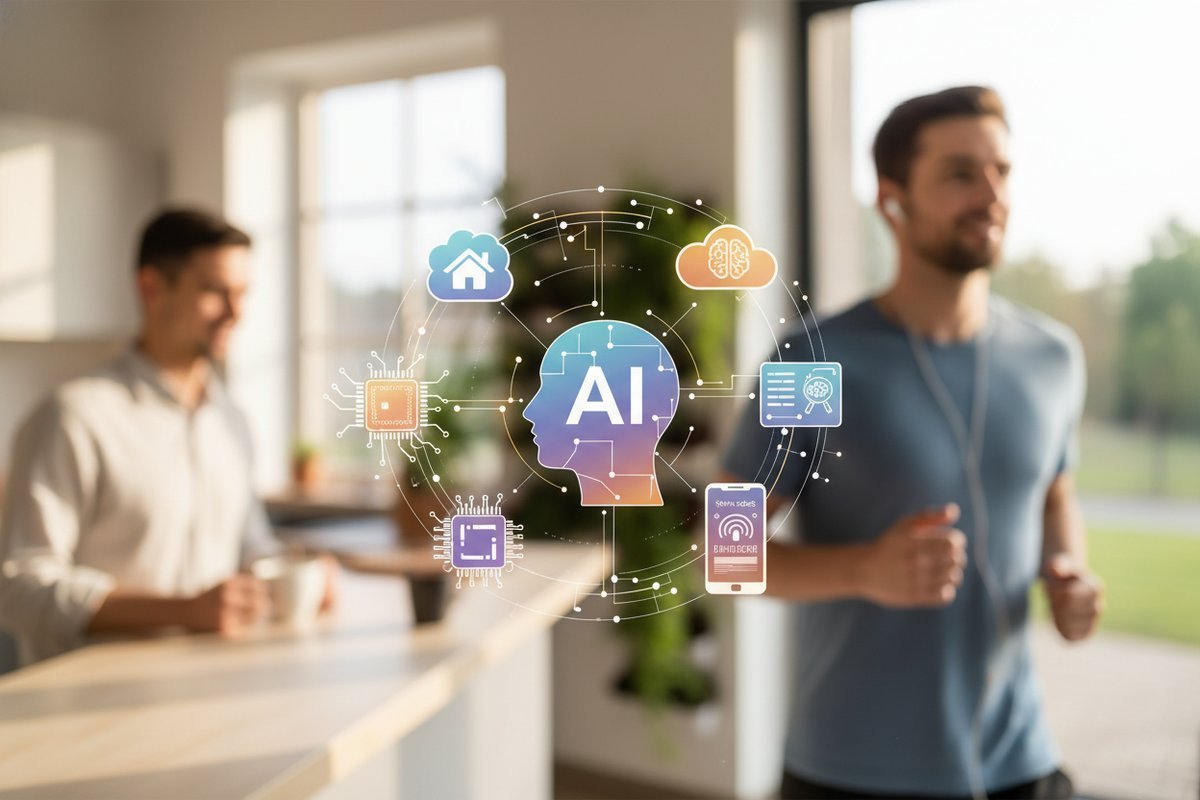
Artificial Intelligence, at its core, involves machines and software learning from data to perform tasks that typically require human intelligence. These include recognizing speech, making decisions, or even driving cars. Today, AI’s capabilities extend far beyond research labs into homes, workplaces, and mobile devices. Exploring AI in Daily Life highlights how AI powers many conveniences we often take for granted, from virtual assistants like Siri and Alexa to smart thermostats that optimize energy use.
By understanding AI’s fundamental role, individuals can better appreciate its transformative potential and how to harness it effectively in daily life.
Cultivating the Right Mindset to Embrace AI
Embracing AI starts with an open and curious mindset. The technology evolves rapidly, and staying adaptable is crucial. As Access Capital suggests, the goal isn’t to become an expert overnight but to stay eager to learn and experiment. Viewing AI as a practical helper rather than a complex mystery encourages proactive adoption.
This mindset helps overcome initial fears or skepticism. It encourages trying out AI-powered tools incrementally, learning from mistakes, and gradually integrating more advanced solutions that fit your lifestyle or business needs.
Smart Devices: Simplifying Your Home and Routine
Smart home devices represent some of the most accessible forms of AI for everyday users. These gadgets use AI to automate tasks, enhance security, and improve comfort. Examples include:
- Voice assistants like Amazon Alexa or Google Assistant that manage schedules, control smart appliances, and answer queries.
- Smart thermostats that learn your temperature preferences and adjust heating or cooling accordingly to save energy.
- AI-powered security cameras that detect unusual activity and send real-time alerts.
- Robot vacuums that map your home and clean autonomously.
Integrating these devices can reduce daily chores and enhance home security. Choosing devices compatible with your existing ecosystem ensures smoother operation and better user experience. For more insights on smart homes, visit JetLearn’s AI in Everyday Life.
AI in Personal Productivity and Time Management
AI tools are revolutionizing how we organize work and personal tasks. Intelligent calendar apps can suggest optimal meeting times by analyzing participants’ schedules and priorities. Email clients now offer smart replies and sorting features that prioritize urgent messages.
Additionally, AI-driven note-taking apps can transcribe meetings and highlight action items automatically, saving time and enhancing focus. Project management platforms increasingly include AI features to predict delays and resource bottlenecks.
Starting with simple AI tools can dramatically improve productivity. Experiment with AI-powered apps tailored to your workflow, then gradually incorporate more sophisticated solutions as your comfort grows.
Enhancing Decision-Making with AI Insights
One of AI’s most valuable aspects is its ability to analyze vast amounts of data quickly, offering insights that support better decisions. Whether tracking personal finances, fitness progress, or shopping habits, AI-powered analytics can highlight trends and recommend actionable steps.
For instance, personal finance apps use AI to categorize expenses, predict future spending, and suggest savings strategies. Fitness applications analyze workout data and adjust plans dynamically for optimal results.
Businesses also leverage AI to enhance customer service and operational efficiency. As Access Capital notes, AI-driven automation and data analysis are reshaping industries by enabling smarter, faster decisions.
Ethical Considerations and Privacy in AI Usage
While AI offers numerous benefits, it also raises important ethical and privacy concerns. Data collection practices must be transparent, and users should have control over their personal information. Understanding how AI systems use data helps mitigate risks related to misuse or bias.
Adopting AI responsibly involves:
- Choosing trusted platforms with clear privacy policies
- Regularly reviewing app permissions and data sharing settings
- Staying informed about updates and security patches
- Advocating for fair and ethical AI development
Being proactive about these issues ensures that AI innovation benefits you without compromising your rights or security.
Future Outlook: Staying Ahead with AI
The AI landscape is continuously evolving, offering new tools and possibilities every year. Staying informed through reputable sources and communities is essential to keep pace with innovations. As AI increasingly integrates into areas like transportation, healthcare, and entertainment, early adopters will enjoy enhanced convenience and opportunities.
Experts predict AI will elevate human potential by automating routine tasks and enabling focus on creativity and complex problem-solving. For a deeper dive into AI’s future impact, see Built In’s exploration of AI’s changing world and Forbes’ insights on AI elevating human potential.
Conclusion: Taking Your First Steps Toward AI Integration
Embracing AI innovations in daily life is a journey that starts with curiosity and small, manageable steps. By cultivating an open mindset, leveraging smart devices, enhancing productivity, and staying mindful of ethical considerations, anyone can benefit from AI’s transformative power.
Remember, the goal is to use AI as a tool to make life easier, smarter, and more efficient. With ongoing learning and experimentation, you can confidently navigate the evolving AI landscape and contribute to a smarter tomorrow.