Techscape Update: AI-Powered Smart Homes Revolutionize Living
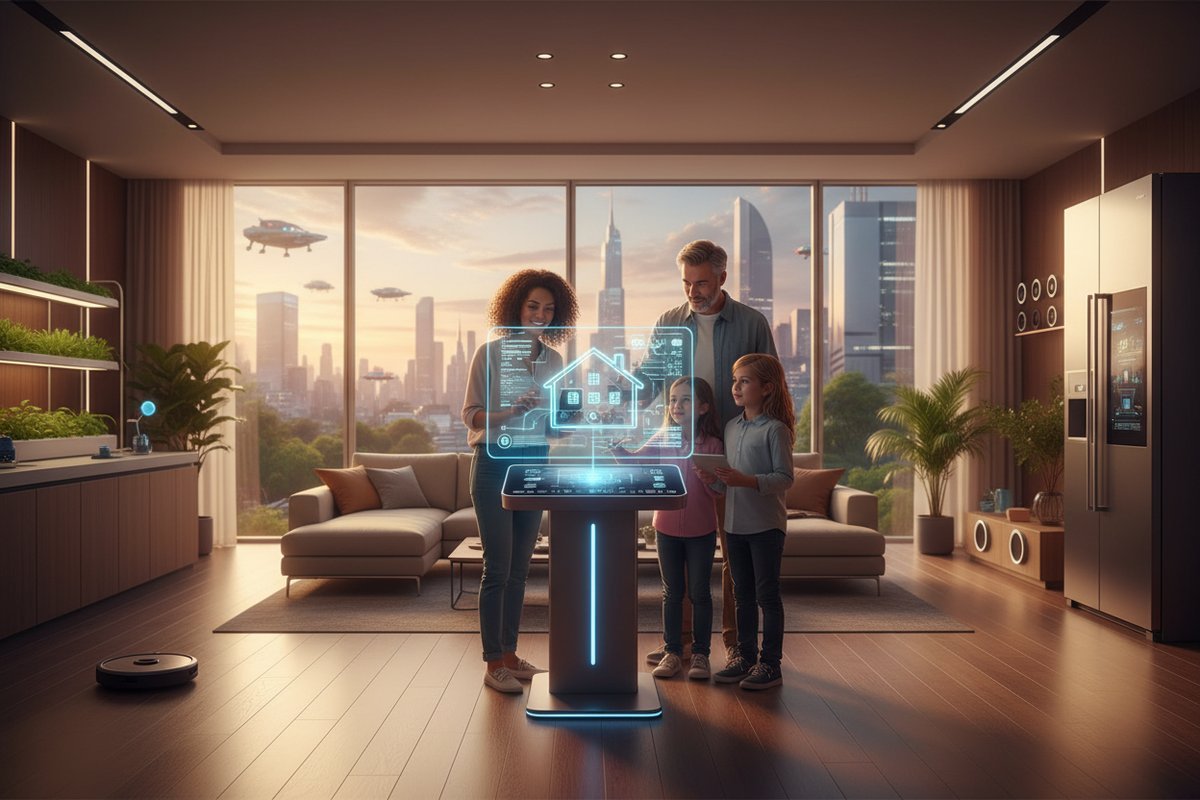
The smart home landscape is evolving rapidly with AI innovations showcased at CES 2026. Key breakthroughs include conversational AI that enables natural dialogue, enhanced presence-sensing technologies prioritizing privacy, and smart devices capable of automating routines without manual programming. These developments signal a shift toward homes that function more like personal assistants, seamlessly adapting to residents’ needs.
AI Labeling and the Reality Behind the Buzz
As AI continues to dominate tech conversations in 2026, smart home brands are increasingly marketing their products with the “AI” label. However, experts caution that not all these claims reflect genuine advances in artificial intelligence. While some devices integrate modern large language models (LLMs) and generative AI to deliver sophisticated functionalities, others rebrand older machine learning algorithms or basic automation as “AI” to capitalize on the trend.
This dilution creates confusion among consumers anticipating transformative capabilities. Industry specialists predict that while CES 2026 will feature many AI-branded products, only a subset will truly leverage cutting-edge AI technology to enhance user experience. The challenge for consumers will be discerning meaningful innovation from marketing hype.
Conversational Voice Assistants: From Commands to Dialogue
One of the most exciting advancements in smart homes is the evolution of voice assistants into conversational partners. Unlike earlier models that required rigid commands, new assistants powered by AI can engage in natural, flowing conversations, understanding context and follow-up questions.
Leading platforms such as Amazon Alexa and Google’s Gemini for Home are pioneering this shift. These assistants can interpret complex queries, provide personalized suggestions, and adapt their tone to suit the user’s mood. Third-party solutions like Josh AI and open-source projects such as Home Assistant are also integrating LLM-powered conversational features, expanding options for consumers seeking more intuitive home control.
CES 2026 is expected to showcase devices like AI-powered smart lights from Lepro that listen and respond conversationally, video doorbells capable of holding full dialogues when homeowners are away, and portable robots that interact naturally, enhancing both convenience and security.
Noninvasive Presence Sensing Enhances Privacy and Functionality
Traditional motion sensors in smart homes often rely on direct detection methods that can feel intrusive or raise privacy concerns. The latest wave of presence-sensing technology leverages subtle disruptions in Wi-Fi and similar radio frequencies to detect human activity without capturing detailed personal data.
For example, Philips Hue smart bulbs have incorporated this technology to adjust lighting based on occupancy patterns while preserving user privacy. Additionally, solutions designed to monitor eldercare needs use these noninvasive sensors to ensure safety without constant video surveillance.
At CES 2026, this approach is gaining traction across smart security systems and home automation products, offering a balance between responsive environments and respectful privacy.
Hands-Off Automation: AI Manages Home Routines
Setting up home routines—complex automations that synchronize multiple devices based on triggers like time or location—has traditionally required significant user input and technical knowledge. However, AI advancements are poised to change that by enabling smart homes to learn and automate these routines independently.
Google’s Gemini for Home AI demonstrated this concept by autonomously creating and adjusting routines tailored to user habits, negating the need for manual programming. Such AI-driven automation means smart lights, thermostats, locks, and security systems can coordinate seamlessly, responding dynamically to changes in daily life.
This evolution is expected to make smart homes more accessible and efficient, freeing residents from tedious setup tasks while optimizing energy use and security.
Broader AI Trends Impacting Smart Living
The innovation in AI-powered homes is part of a wider technological wave sweeping multiple sectors in 2026. Beyond smart living, AI is increasingly integrated into workforce automation, upskilling platforms, and mobility solutions, including electric vehicle supercars and emerging mind-reading interfaces that promise to redefine human-machine interaction.
These cross-industry advancements suggest that smart home technologies will continue benefiting from breakthroughs in AI research and development, driving smarter, more connected lifestyles in the near future.
Looking Ahead: What to Watch Post-CES 2026
As the smart home ecosystem embraces AI, consumers and industry watchers should focus on the quality and authenticity of AI integration. Genuine conversational assistants, privacy-conscious presence sensing, and autonomous automation represent the pillars of next-generation smart homes.
Key companies like Amazon, Google Nest, Philips Hue, and AI-first startups such as Josh AI will likely lead innovation. Consumers should remain discerning, seeking devices that deliver true AI capabilities rather than marketing buzz.
Ultimately, the promise of AI-powered smart homes lies in creating environments that understand, anticipate, and assist residents effortlessly, paving the way toward truly intelligent living spaces.