AI in Wearables: The Future of Smart Tech
Artificial Intelligence (AI) combined with wearable technology is driving a new era of smart devices that go beyond simple tracking. These advanced wearables deliver real-time insights, personalized coaching, and predictive health monitoring. This article explores how AI is shaping the future of wearables across healthcare, fitness, industry, and daily life.
Introduction to AI-Enhanced Wearables
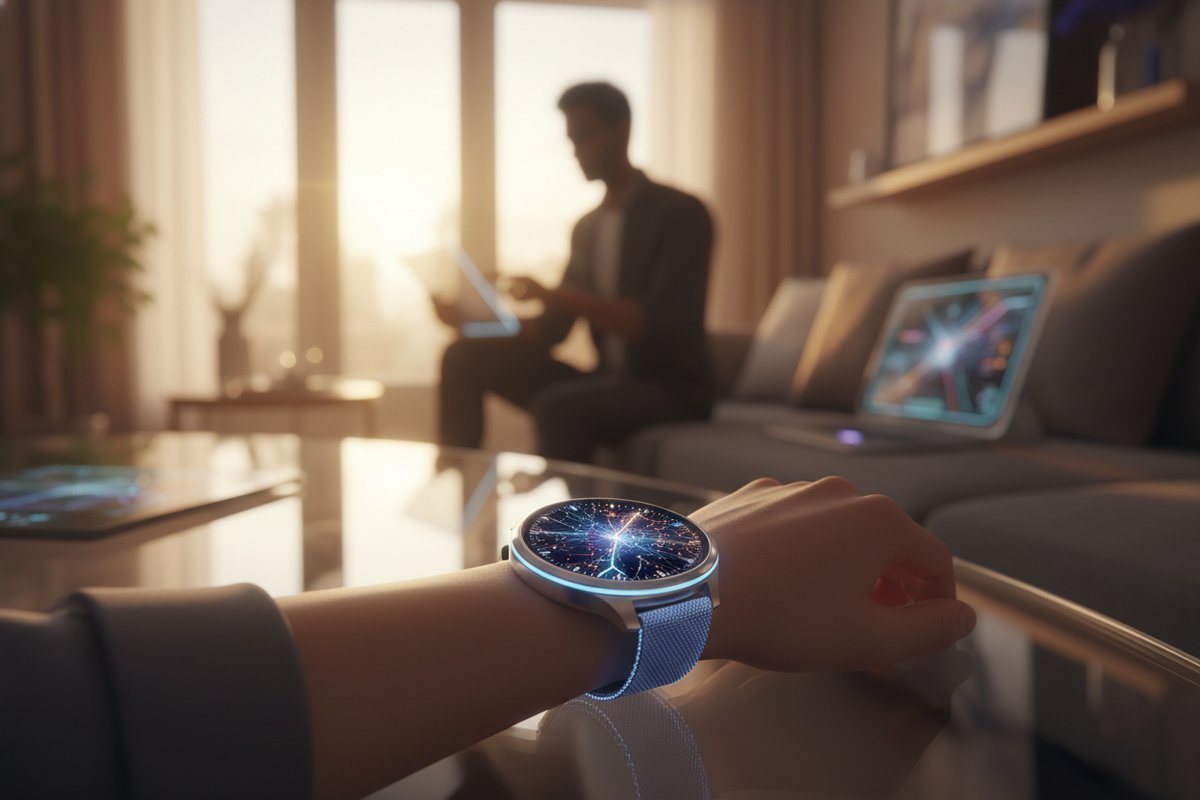
Wearable technology has evolved far beyond basic fitness trackers and smartwatches. The integration of Artificial Intelligence (AI) and Machine Learning (ML) enables wearables to become intelligent companions that understand user behavior, predict health events, and provide actionable insights. This marriage of AI and wearables is transforming industries and daily lifestyles by offering personalized, context-aware support.
From continuous health monitoring to adaptive fitness coaching and safety applications, AI-powered wearables are becoming indispensable tools. These devices collect vast amounts of biometric data and analyze it in real time, enabling smarter decisions and proactive interventions. Elitac Wearables, a leader in smart wearable innovation, highlights the potential of AI to revolutionize how we interact with technology and manage wellness.
Predictive Health Monitoring: A Game Changer in Healthcare
One of the most significant impacts of AI in wearables is in predictive health monitoring. Traditional health devices mainly record data, but AI-driven wearables analyze trends and detect anomalies early, enabling preventive care and reducing hospital visits. For example, smartwatches with AI algorithms can identify irregular heart rhythms, alerting users to possible cardiovascular events before symptoms appear.
Systems like the DANU Sports wearable analyze movement patterns to prevent injuries in athletes, while the Flight Sense System monitors pilots’ physiological states to maintain optimal alertness and health during flights. Such innovations showcase how AI can interpret complex biological signals and translate them into meaningful health insights, paving the way for more efficient healthcare delivery.
Moreover, AI-powered wearables could alleviate the strain on healthcare systems by enabling remote patient monitoring, thus reducing hospital stays and lowering costs. As experts at Arizona Health Sciences note, these technologies are key to shifting healthcare from reactive to proactive models.
Personalized Fitness Coaching Through AI
AI-driven wearables are also transforming fitness by delivering tailored workout regimes that adapt as users progress. Unlike generic fitness trackers, these devices analyze heart rate, movement, and performance history to develop customized plans, optimizing training effectiveness and minimizing injury risks.
The DANU Sports system exemplifies this approach by providing real-time feedback on posture and endurance, adjusting training schedules dynamically. This personalized coaching empowers users to meet fitness goals more efficiently, enhancing motivation and engagement.
Additionally, AI-powered wearables can identify the best times for workouts based on individual physiological data, improving recovery and performance. This level of personalization is redefining how people approach fitness, turning wearables into smart trainers that know each user intimately.
AI for Data-Driven Decision Making in High-Stakes Environments
Beyond health and fitness, AI-enabled wearables are critical in professions requiring rapid, informed decisions under stress. For example, soldiers equipped with AI wearables can have their physiological stress levels monitored continuously. The AI filters and prioritizes information, presenting only vital alerts to avoid cognitive overload.
This selective data delivery enhances situational awareness and decision-making, improving safety and performance. Military applications like the Mission Navigation Belt integrate AI to assist soldiers in navigation and health monitoring, demonstrating the potential of smart wearables in complex environments.
Similarly, industrial workers benefit from AI wearables that monitor fatigue and environmental hazards, promoting workplace safety. These applications illustrate how AI transforms wearables into essential tools for operational efficiency and risk reduction.
Enhancing User Experience with Machine Learning
Machine Learning (ML) algorithms enable wearables to learn from user habits and preferences, making interactions intuitive and seamless. Over time, these devices predict user needs, adjust settings automatically, and provide context-aware notifications that reduce distractions.
Examples include intelligent earbuds that modify noise cancellation based on surroundings, fitness bands that identify optimal workout times, and smart glasses that filter notifications by priority. This adaptive behavior, powered by continuous data analysis, elevates the user experience by tailoring technology to individual lifestyles.
Such advancements encourage longer device use and greater user satisfaction, as wearables become less intrusive and more helpful companions.
Ethical Considerations and Challenges
Despite their advantages, AI-powered wearables raise important ethical issues. Data privacy is paramount, as these devices collect sensitive biometric information that must be securely stored and responsibly used. Companies must adopt transparent data policies and empower users with control over their information.
Another concern is AI bias, where poorly trained algorithms may produce inaccurate or prejudicial outcomes. Ensuring fairness and reliability in AI models is crucial to avoid harm. Additionally, over-dependence on AI could erode users’ decision-making skills, potentially reducing critical thinking in important situations.
Addressing these challenges requires a collaborative effort between developers, regulators, and users to develop ethical frameworks that prioritize well-being and trust. Industry leaders emphasize the importance of unbiased AI and privacy-first design to foster responsible innovation.
Conclusion: A Smarter Tomorrow with AI Wearables
AI and Machine Learning are at the heart of the next wearable technology revolution. By enabling predictive health monitoring, personalized fitness coaching, enhanced decision-making, and intuitive user experiences, AI-powered wearables are reshaping how we manage health, productivity, and safety.
As these technologies mature, they promise to reduce healthcare costs, improve quality of life, and empower users with actionable insights. However, ethical challenges around privacy and bias must be carefully managed to realize their full potential responsibly.
For those interested in the cutting edge of wearable AI innovation, companies like Elitac Wearables continue to lead the charge, developing smart devices that will define the future of connected living.