5 AI Trends Revolutionizing Smart Living
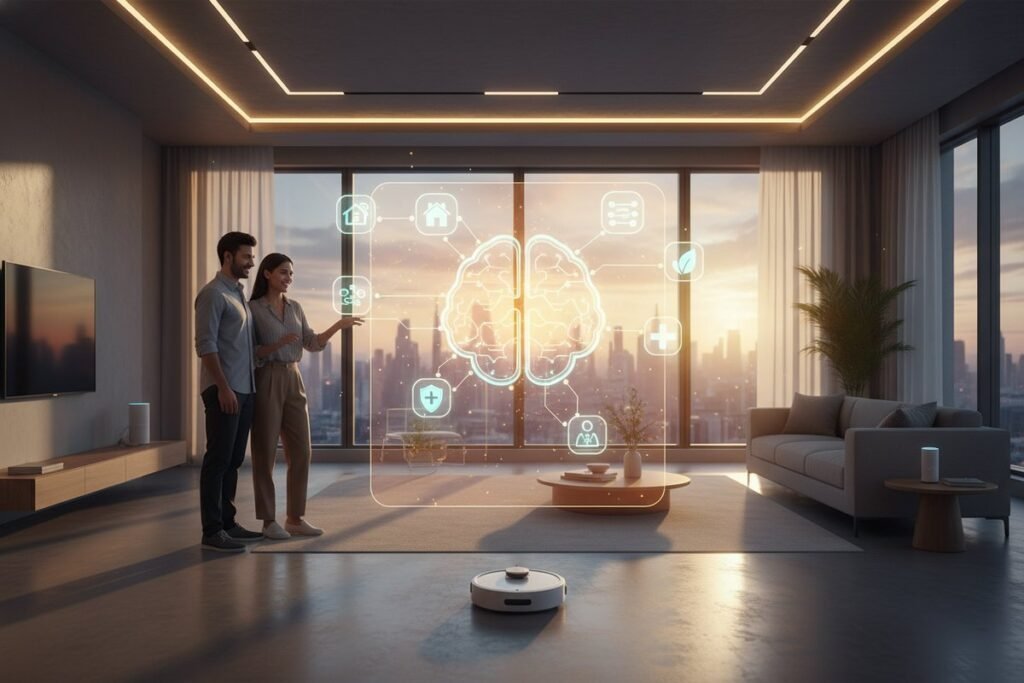
From intelligent agents to ubiquitous AI systems, the latest trends in artificial intelligence are transforming smart living environments. These advancements enhance efficiency, personalization, and connectivity, promising a future where AI seamlessly integrates into our daily routines to improve quality of life.
Current State of AI in Smart Living
As we move deeper into 2026, artificial intelligence continues to be a cornerstone of smart living innovations. The convergence of AI with IoT devices, cloud computing, and 5G connectivity has accelerated the development of intelligent ecosystems that anticipate user needs and optimize environments. According to industry projections, AI’s global economic impact is set to exceed $15 trillion by 2027, underscoring its transformative potential across sectors including home automation, healthcare, and productivity.
1. Agentic AI: Autonomous Assistance for Daily Life
Agentic AI represents a leap beyond traditional AI assistants by autonomously performing complex tasks with minimal human input. These AI agents utilize advanced reasoning and decision-making to manage schedules, optimize energy consumption, and even handle online transactions. Leading companies like Anthropic and Amazon are pioneering agentic AI technologies that empower users to delegate routine and strategic tasks, enhancing productivity and freeing up time for creative pursuits.
2. Digital Twins: Virtual Replicas for Personalized Environments
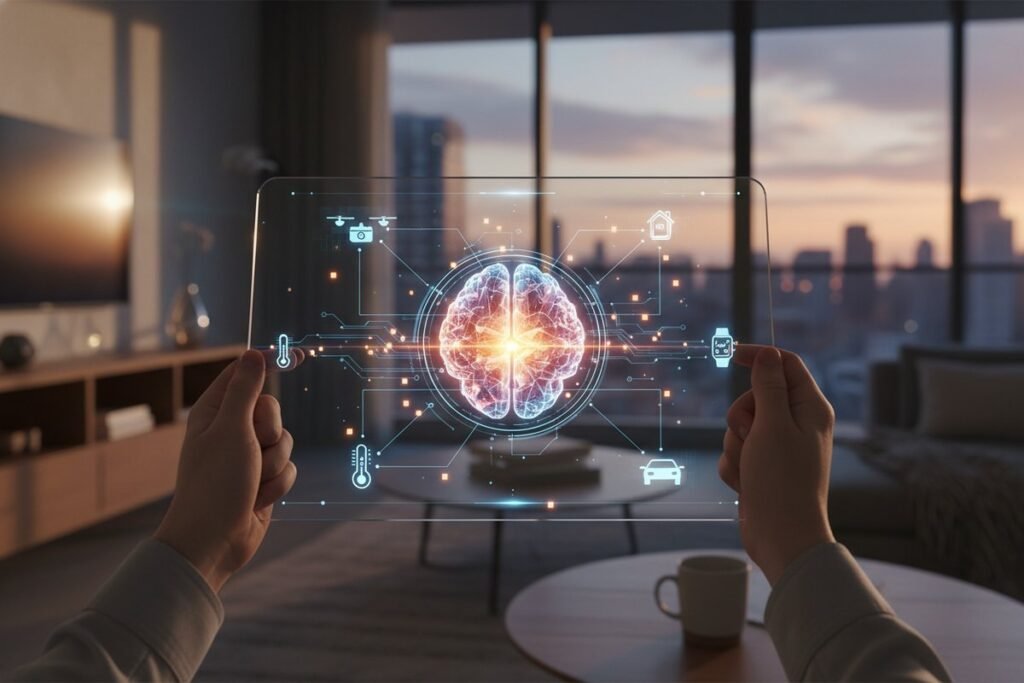
Digital twins create precise virtual models of physical environments or systems, enabling real-time simulation and optimization. In smart living, digital twins of homes and devices allow for predictive maintenance, energy management, and tailored comfort settings. For example, integrating digital twin technology with smart HVAC systems can dynamically adjust temperature and humidity based on occupant behavior and weather forecasts, reducing energy waste and improving comfort.
3. AI Democratization: Making AI Accessible to All
The democratization of AI tools and platforms is breaking down barriers for individuals and small businesses to harness AI’s power. User-friendly interfaces, low-code/no-code platforms, and open-source AI frameworks enable non-experts to create customized AI solutions for their homes and workspaces. This trend is fostering innovation at the grassroots level, from personalized health monitoring apps to AI-driven home security systems. Efforts by organizations like TensorFlow and OpenAI support this movement by providing accessible AI development resources.
4. Smart Home Integration: Unified AI-Powered Ecosystems
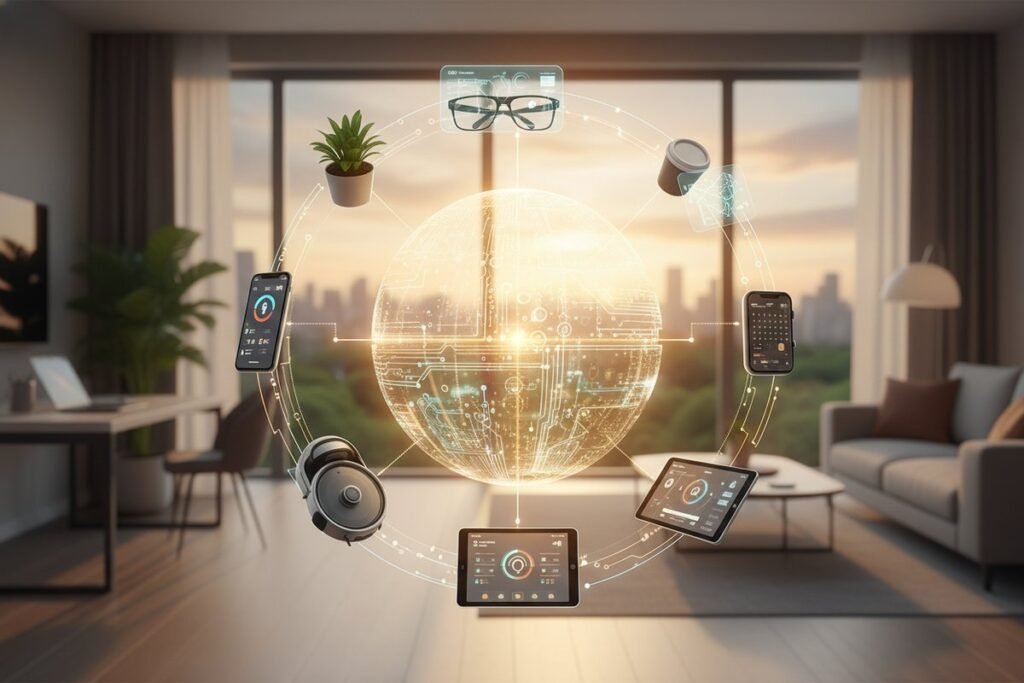
Smart homes are evolving from collections of isolated devices to unified AI-powered ecosystems that communicate and collaborate. Integration platforms enable devices such as smart lighting, security cameras, and voice assistants to work in harmony, creating responsive environments that adapt to occupants’ preferences. For families, AI-enhanced features include predictive safety alerts, energy optimization, and personalized entertainment. Companies like Google Nest and Apple HomeKit continue to advance interoperability and security in smart home ecosystems.
5. Ubiquitous AI Systems: AI Embedded Everywhere
Ubiquitous AI refers to the seamless embedding of AI into everyday objects and environments, making intelligence pervasive and continuous. This includes AI in wearables, appliances, vehicles, and public infrastructure. The result is a world where AI anticipates needs, provides contextual assistance, and enhances safety without requiring explicit commands. For instance, AI-powered smartwatches monitor health metrics in real-time and provide actionable insights, while AI-enabled public spaces adjust lighting and air quality based on crowd density.
Future Predictions: Toward a Smarter Tomorrow
Looking ahead, these AI trends will converge to create highly adaptive and anticipatory living environments. We expect to see enhanced emotional intelligence in AI agents, enabling more empathetic and personalized interactions. Advances in edge AI will reduce latency and improve privacy by processing data locally. Furthermore, the integration of AI with augmented reality (AR) and virtual reality (VR) will redefine how we interact with our homes and workplaces, offering immersive control and feedback.
What to Watch For
As AI technologies mature, it is crucial to monitor developments in AI ethics, data privacy, and security to ensure responsible adoption. Consumers should look for products and platforms that prioritize transparency and user control. Additionally, staying informed about interoperability standards will help maximize the benefits of smart living ecosystems. Engaging with reputable AI organizations and official sources can provide trusted insights into the latest innovations and best practices.
Embracing these AI trends today equips individuals and families to enjoy a smarter, safer, and more efficient lifestyle tomorrow.