How to Integrate AI into Your Daily Life

Alex Neural

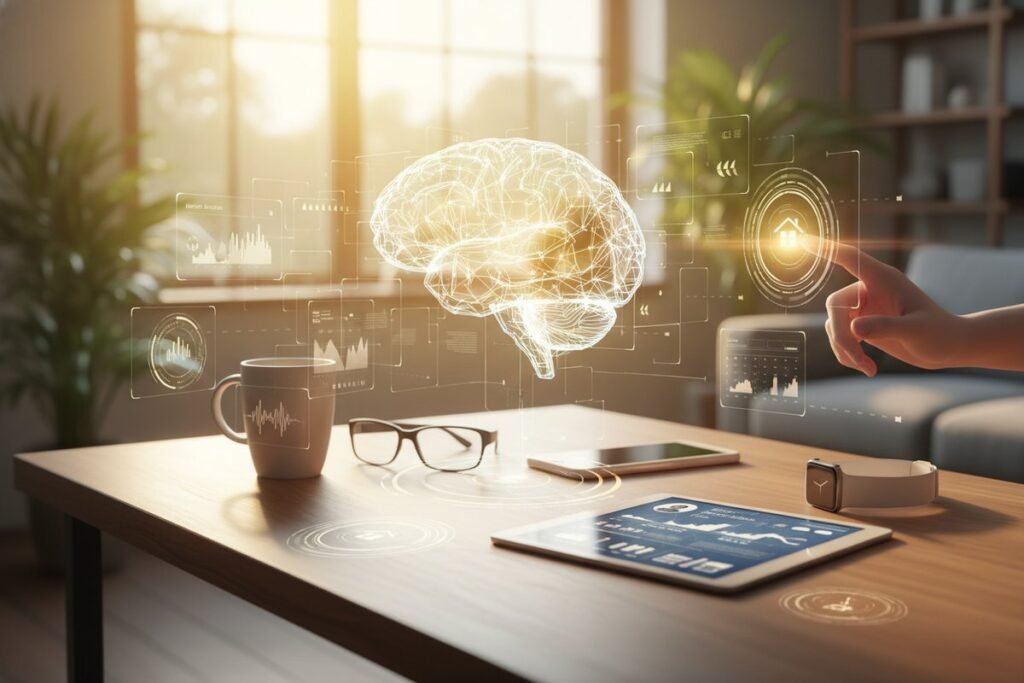
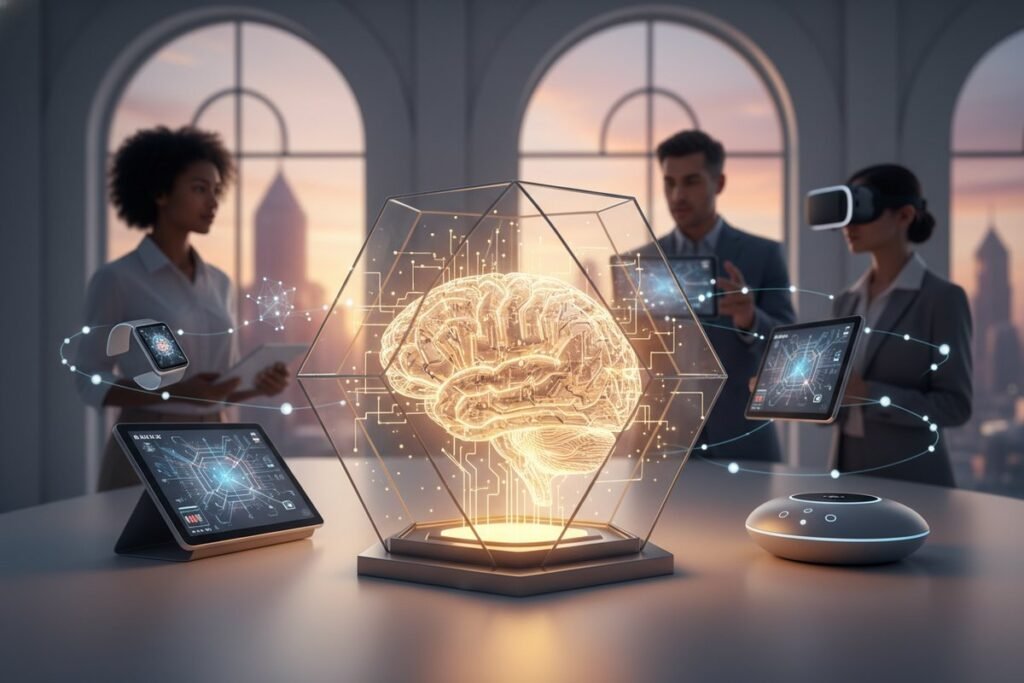
AI is no longer futuristic—it’s part of daily routines, simplifying tasks and enhancing experiences across home, work, and play.

Artificial Intelligence (AI) has seamlessly woven into our everyday lives, transforming how we communicate, shop, travel, and even manage our health. This article explores practical ways to integrate AI into your daily routine, making life smarter, easier, and more personalized. From smart devices to AI-driven apps, discover how to harness AI innovations for a better tomorrow.

Understanding AI and Its Everyday Impact

Artificial Intelligence refers to computer systems designed to mimic human intelligence, including learning, reasoning, and adapting to various tasks with minimal human intervention. Most people interact with AI daily without realizing it—whether through voice assistants like Siri or Alexa, recommendation engines on Netflix, or navigation apps such as Google Maps.

The capabilities of AI span natural language processing (NLP), machine learning (ML), predictive analytics, computer vision, and automation. These technologies enable devices and applications to understand human input, learn preferences, forecast outcomes, recognize images, and perform tasks efficiently, reshaping daily experiences.

For a deeper dive into AI’s transformative power, this comprehensive overview breaks down how AI is embedded in modern life.

Smart Devices: AI at Home and On the Go

Smart speakers and assistants have become household staples, simplifying daily chores and enhancing convenience. Devices like Amazon Alexa, Google Home, and Apple Siri use AI to respond to voice commands, control smart home appliances, set reminders, and provide real-time updates such as weather and news.

These assistants continually improve through machine learning, adapting to your habits and preferences. The rise of generative AI services is making interactions with these devices more natural and conversational, moving beyond simple commands to proactive support.

On the move, AI powers ride-hailing apps like Uber and Lyft, optimizing routes and predicting traffic patterns for faster, safer travel. Autonomous vehicles from companies like Tesla and Waymo rely on AI to navigate complex environments, signaling a future where mobility is safer and more efficient.

Enhancing Health and Wellness with AI Wearables

Wearable devices such as the Apple Watch and Fitbit have revolutionized personal health monitoring by integrating AI-driven analytics. These gadgets track vital signs like heart rate, sleep quality, oxygen saturation, and even detect irregularities such as atrial fibrillation.

For seniors and individuals with chronic conditions, AI-powered wearables provide alerts for falls or abnormal health metrics, connecting users with caregivers promptly. This democratization of health data empowers users to take proactive control of their well-being, supported by insights once available only through clinical visits.

Innovative mental health apps like Woebot and Wysa leverage conversational AI to offer stress management and therapeutic interactions, making mental health support more accessible and less stigmatized.

Personalized Shopping and Entertainment Experiences

AI has transformed how we discover products and consume content. E-commerce platforms such as Amazon use AI-powered recommendation engines to suggest products based on browsing and purchase histories, creating tailored shopping journeys that save time and enhance satisfaction.

Entertainment platforms including Netflix and Spotify similarly leverage AI to curate personalized playlists and viewing recommendations, adapting dynamically to user preferences. Additionally, AI chatbots provide instantaneous customer service, improving user experience and engagement.

This level of personalization is part of a broader omnichannel approach that integrates consumer preferences across multiple platforms, ensuring seamless and consistent interactions.

AI for Security and Safety

Security applications of AI are both pervasive and vital. Facial recognition technology enables secure device unlocking, while AI algorithms detect fraudulent financial transactions in real time, safeguarding users from scams and cyber threats.

Smart surveillance cameras employ computer vision to monitor environments, identify suspicious behaviors, and alert homeowners or authorities. Financial institutions utilize AI-powered fraud detection systems to analyze transaction patterns and prevent unauthorized access.

Cybersecurity platforms are evolving with AI to identify emerging threats such as phishing and malware, protecting sensitive data and maintaining trust in digital interactions.

Leveraging AI on Your Mobile Devices

Smartphones have become AI hubs, integrating multiple AI features that enhance productivity and entertainment. Voice assistants like Google Assistant and Siri enable hands-free communication, reminders, and quick information retrieval on the go.

AI-enhanced cameras adjust lighting, recognize scenes, and even apply automatic edits to produce professional-quality photos effortlessly. Real-time translation apps break language barriers instantly, facilitating global communication with ease.

Personalized content delivery through apps like Spotify and YouTube ensures your mobile experience is tailored to your tastes and habits, making every interaction more meaningful.

Future Prospects: AI Shaping Smarter Lives

The future of AI integration promises even greater personalization and anticipatory assistance. Smart homes will evolve into energy-efficient ecosystems, autonomously managing resources and enhancing comfort. AI-driven healthcare will focus on predictive diagnostics and personalized treatments before symptoms arise, improving outcomes.

Education will benefit from hyper-personalized learning paths tailored to individual student needs, while smart cities will leverage AI to optimize public safety, waste management, and energy usage, fostering sustainable living environments.

Ethical AI development will be crucial, emphasizing fairness, privacy, and transparency to ensure technology aligns with human values as it becomes more deeply embedded in daily life.

Conclusion: Embracing AI for a Smarter Tomorrow

Integrating AI into daily life is no longer optional but essential for enhancing convenience, safety, and personalization. From smart assistants and wearable health monitors to AI-driven shopping and security, the benefits are tangible and growing.

By understanding and adopting these technologies thoughtfully, individuals can unlock AI’s full potential to simplify routines and make smarter decisions. As AI continues to advance, staying informed and adaptable will ensure you remain at the forefront of this exciting technological evolution.

Explore more about how AI innovations are transforming lifestyles at Openxcell’s AI insights and other leading platforms shaping our smarter tomorrow.