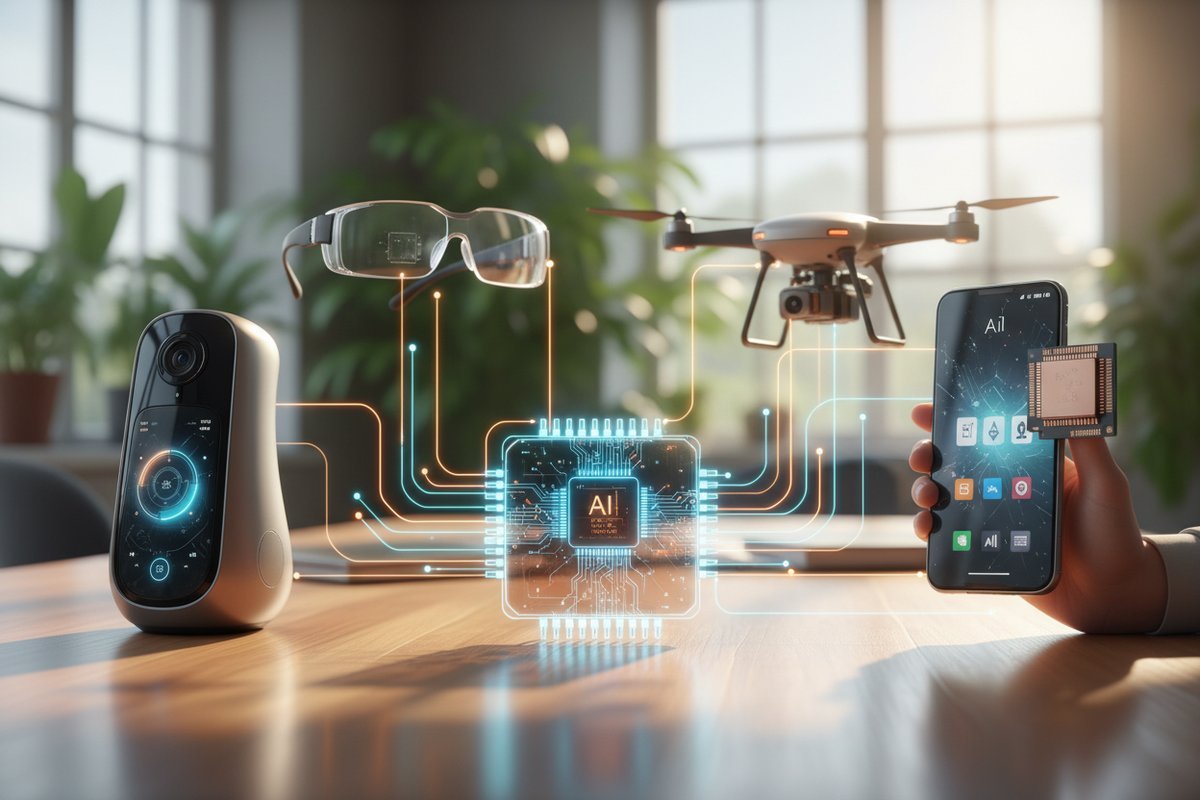
5 AI Innovations Redefining Tech Lifestyles
As AI technologies mature in 2026, they are seamlessly integrating into daily life and transforming tech lifestyles. Advancements in agentic AI systems, AI-powered smart glasses, health-focused wearables, and social robots are not only enhancing productivity but also personal well-being and social interaction. This article explores five key AI innovations driving this transformation and what they mean for the future.
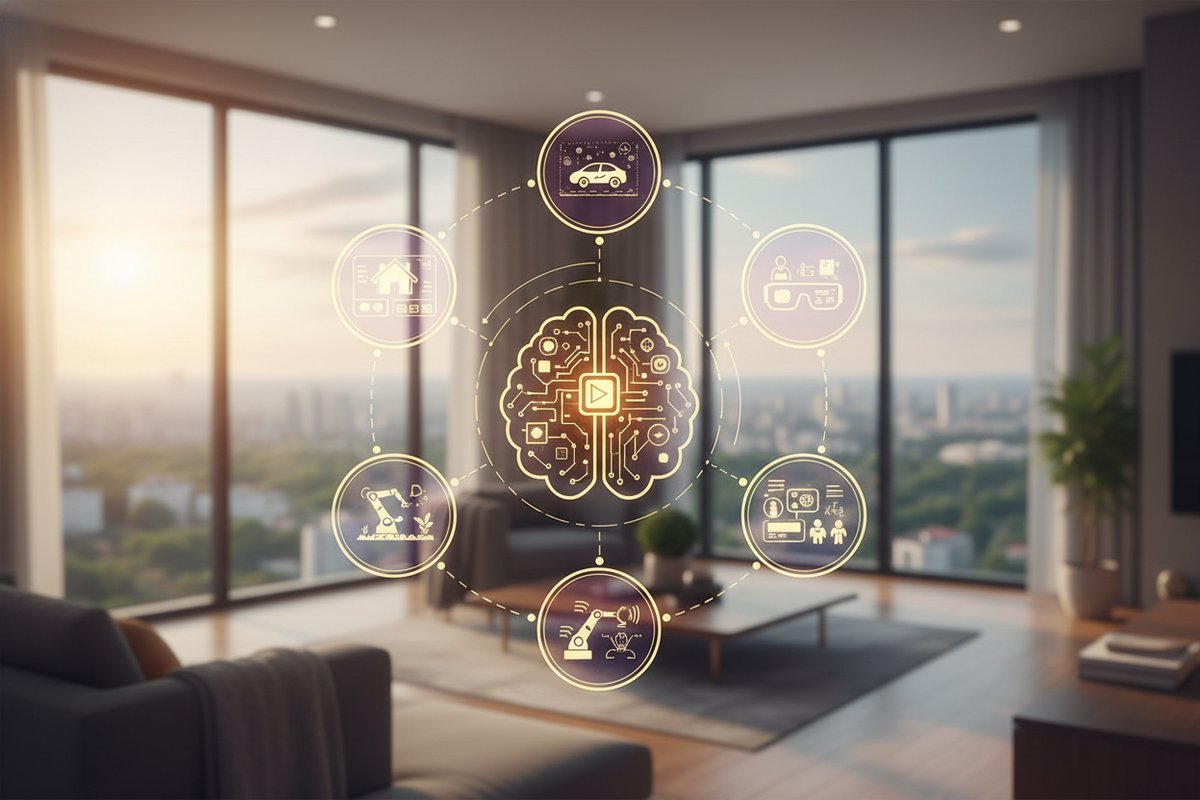
Agentic AI Commerce: The Future of Autonomous Buying
One of the most impactful AI innovations today is agentic AI—autonomous systems capable of performing complex tasks on behalf of users. In commerce, agentic AI enables intelligent digital assistants to manage purchases, negotiate deals, and optimize spending without constant human input. Leading technology firms are developing these systems to handle workflows such as subscription management, price comparisons, and personalized shopping.
Zoom’s AI Companion 3.0 exemplifies this trend by incorporating agentic workflows that anticipate user needs and automate routine tasks, making digital interactions more efficient and personalized. These systems reduce cognitive load and free consumers to focus on higher-value activities, signaling a shift toward more autonomous and proactive AI assistants. For businesses and consumers alike, this innovation promises streamlined online experiences and smarter financial decisions. (Zoom)
Smart Glasses with Advanced AI Audio and Visual Features
Smart glasses have evolved from niche gadgets into powerful AI-driven devices that enhance both hearing and vision. Companies like Meta and Google are pushing the boundaries by integrating AI-powered audio processing, real-time language translation, and augmented reality (AR) overlays.
These glasses leverage AI to deliver personalized hearing assistance, adapt to environmental sounds, and provide contextual information directly in the user’s field of view. For example, Google’s AI eyewear enables on-device processing to recognize speech and gestures without relying on cloud connectivity, improving privacy and responsiveness. The convergence of AI with wearable optics is redefining how users interact with their surroundings, making everyday tasks more intuitive and immersive.
AI-Powered Wearables for Health and Wellness
Health-focused AI wearables continue to advance with enhanced sensors and smarter analytics. Devices like Samsung’s Galaxy Watch 7 combine AI algorithms with biometric data to provide personalized health insights, stress management, and predictive wellness alerts. These wearables enable continuous monitoring of vital signs, sleep patterns, and physical activity, facilitating proactive health management.
AI’s role extends beyond data collection to delivering actionable recommendations tailored to individual lifestyles. This personalization fosters better adherence to health goals and supports remote patient monitoring, which is especially crucial as healthcare shifts toward preventative and personalized care models. (Samsung Galaxy Watch 7)
Companion Robots: AI Enhancing Social Connection and Support
AI-powered companion robots are emerging as significant contributors to wellness and social interaction. Designed to provide emotional support, assist with daily activities, and foster companionship, these robots utilize natural language processing, emotion recognition, and adaptive learning.
Recent innovations have produced robots capable of engaging in meaningful conversations, recognizing moods, and even assisting elderly or isolated individuals by reminding them of medications or appointments. This fusion of AI and robotics is reshaping human-robot interaction, addressing loneliness, and improving quality of life for vulnerable populations.
Generative AI and AI-Cloud Integration Transforming Smart Living
Generative AI models and AI-cloud integration are foundational to many emerging AI lifestyle innovations. These technologies enable seamless data synthesis, smarter content creation, and adaptive environments that respond dynamically to user preferences.
Cloud AI platforms empower devices to offload heavy computations, facilitating real-time personalization and cross-device synchronization. This integration supports smarter homes, workplaces, and city infrastructures, where AI-driven systems learn and evolve with user behavior to optimize energy, security, and convenience.
Industry leaders are investing heavily in AI-cloud ecosystems to build scalable, interoperable solutions that underpin these smart living advances, marking a future where AI is embedded ubiquitously yet unobtrusively. (Google Cloud)
Looking Ahead: What to Watch for in AI-Driven Tech Lifestyles
As 2026 progresses, several trends will be critical to monitor. The expansion of agentic AI will push autonomy further into daily routines, demanding new standards for security and ethical governance. Smart glasses and wearables will likely incorporate deeper biometric and environmental sensing, enabling richer AR experiences and health insights.
Simultaneously, companion robots will become more accessible and context-aware, broadening their role in social care. The evolution of generative AI promises new creative tools and smarter environments, but also challenges in managing data privacy and AI transparency.
Ultimately, the fusion of these innovations heralds a tech lifestyle that is smarter, more interconnected, and deeply personalized. Staying informed on these developments and embracing responsible AI integration will be essential to harnessing their full potential for a better tomorrow.