AI Breakthroughs Shaping Tomorrow’s Tech Lifestyle
In 2026, artificial intelligence continues to redefine the technological landscape, driving innovations that enhance automation, security, and personalization. From autonomous digital agents to intelligent physical systems, these advancements are poised to revolutionize everyday tech lifestyles and enterprise operations alike.
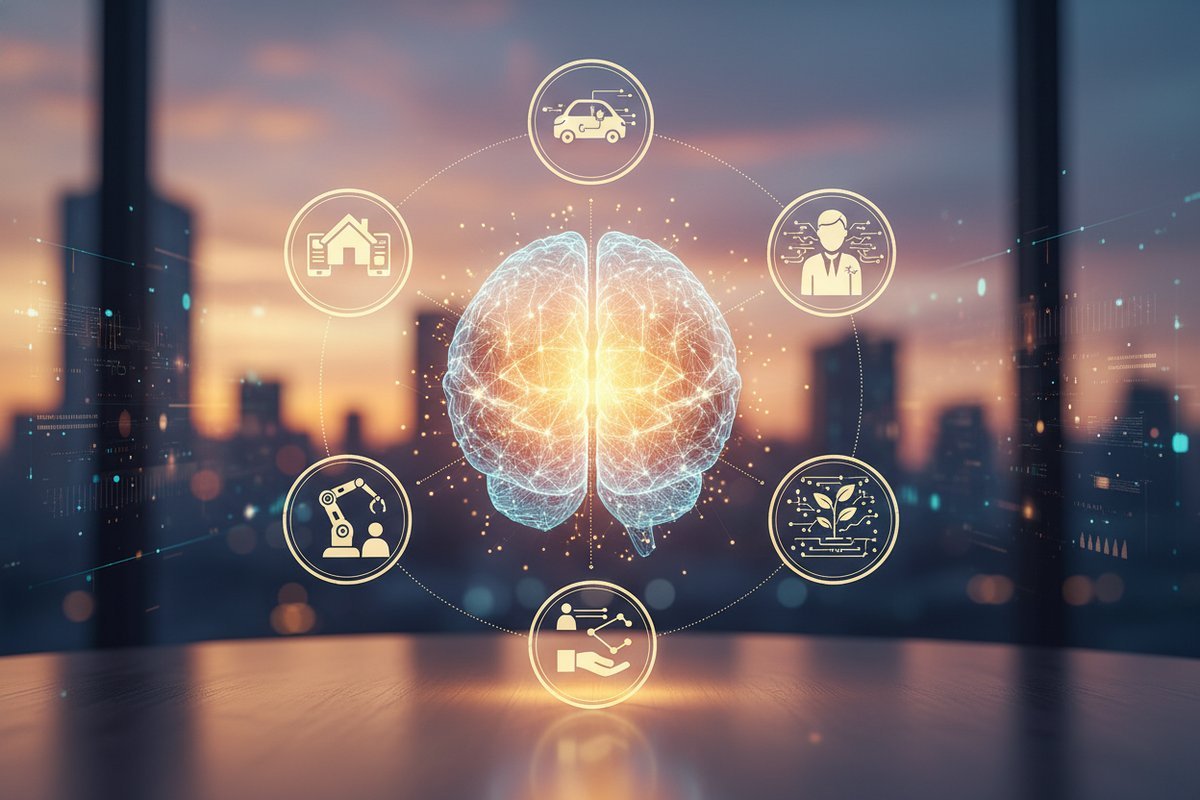
AI Innovations Driving Tomorrow’s Tech Lifestyle
Artificial intelligence has surged beyond conventional boundaries, evolving into a sophisticated ecosystem powering smarter homes, workplaces, and cities. The five breakthroughs fundamentally reshaping our tech-driven world include Agentic AI, Physical AI, Sovereign AI, Ambient Intelligence, and the Agentic Commerce Protocol. Each breakthrough plays a unique role in enhancing automation, security, and efficiency across industries and lifestyle applications.
Agentic AI: Autonomous Digital Workforce
Agentic AI represents a leap from traditional AI assistants to fully autonomous systems capable of independent decision-making, contextual understanding, and goal-setting. Unlike AI that requires direct human input for every task, agentic AI systems can plan, execute, and adapt in complex environments.
For example, in customer service, agentic AI can autonomously handle multi-step inquiries, escalating only when necessary. Supply chains benefit from these intelligent agents through real-time optimization of inventory and logistics, drastically reducing waste and improving responsiveness. Financial services use agentic AI to automate risk assessments and fraud detection, enhancing security and efficiency.
While many organizations are currently piloting these systems, forecasts by Deloitte suggest widespread adoption will accelerate over the next few years, reshaping both enterprise workflows and consumer experiences.
Physical AI: Intelligence Embedded in the Real World
Physical AI integrates artificial intelligence with robotics, Internet of Things (IoT) devices, and digital twins to enable machines to sense, interpret, and interact with their surroundings. This breakthrough bridges the digital and physical worlds, creating smarter environments and autonomous systems capable of real-time decision-making.
Manufacturing floors are adopting Physical AI for predictive maintenance and adaptive automation, improving productivity and reducing downtime. Warehousing and logistics utilize AI-powered robots for efficient sorting and delivery, transforming supply chains. In healthcare, intelligent robotics assist with surgery and patient care, enhancing precision and outcomes.
Despite current adoption challenges, including infrastructure and integration complexity, Physical AI’s growing impact is evident. Industry leaders like Microsoft AI are investing heavily in advancing these technologies, anticipating broader deployment within smart cities and industrial ecosystems.
Sovereign AI: Data Privacy and Regional Autonomy
With increasing global data privacy regulations, Sovereign AI has emerged as a critical innovation ensuring that data, AI models, and compute resources remain compliant with national or regional boundaries. This approach addresses concerns about data sovereignty, security, and ethical AI deployment.
Industries like healthcare and finance, which handle sensitive personal and financial data, are prioritizing sovereign AI to comply with regulations such as GDPR and HIPAA. Governments also leverage sovereign AI frameworks to maintain control over public sector AI initiatives.
Organizations integrating sovereign AI benefit from enhanced trust and regulatory alignment, while maintaining operational agility. This trend is supported by frameworks and governance models developed by international bodies and reinforced by companies specializing in secure cloud and AI infrastructure.
Ambient Intelligence: Seamless Contextual AI Experience
Ambient Intelligence envisions AI systems that operate invisibly in the background, continuously sensing and adapting to user needs and environmental changes. This creates highly personalized and intuitive experiences in smart homes, workplaces, and urban environments.
By leveraging sensors, voice interfaces, and AI analytics, ambient intelligence can optimize energy usage, enhance security, and improve wellbeing without requiring explicit commands. For example, smart home systems adjust lighting and temperature based on residents’ routines, while workplaces adapt digital environments to employee preferences.
Leading technology firms are embedding ambient intelligence into consumer products and enterprise solutions, pushing the boundaries of human-computer interaction toward a truly intelligent and responsive lifestyle.
Agentic Commerce Protocol: Autonomous Digital Trade
The Agentic Commerce Protocol introduces intelligent AI agents that autonomously negotiate and execute commercial transactions on behalf of users and businesses. This protocol transforms e-commerce and supply chain interactions by enabling decentralized, trustless, and efficient AI-driven trade.
By automating complex negotiation and procurement processes, agentic commerce reduces friction, accelerates decision-making, and increases transparency. This innovation supports dynamic pricing, personalized offers, and real-time contract adjustments, fostering a more agile and responsive marketplace.
Industry consortia and technology leaders are actively developing standards around agentic commerce to ensure interoperability and security, setting the stage for a new era of AI-powered economic activity.
Looking Ahead: What to Watch in AI-Driven Tech Lifestyle
As these five AI breakthroughs mature, their convergence will enable smarter, more autonomous, and secure technology ecosystems by 2030. Key areas to watch include:
- Ethical AI Deployment: Ensuring responsible use of agentic systems and sovereign AI compliance.
- Human-AI Collaboration: Balancing automation with human oversight and creativity.
- Infrastructure Evolution: Expanding cloud and edge computing to support physical AI and ambient intelligence.
- Standardization and Interoperability: Establishing protocols for agentic commerce and AI agent communication.
For those eager to stay ahead, engaging with platforms like Stanford Human-Centered AI Institute and following innovation from Microsoft AI will offer valuable insights into the evolving AI landscape shaping tomorrow’s tech lifestyle.